
What is Bhimbetika?
Imagine walking into a cave and seeing a painting made by a human being 30,000 years ago. Sounds like something from a movie, right? But this is absolutely real — and it happens right here in the heart of India.
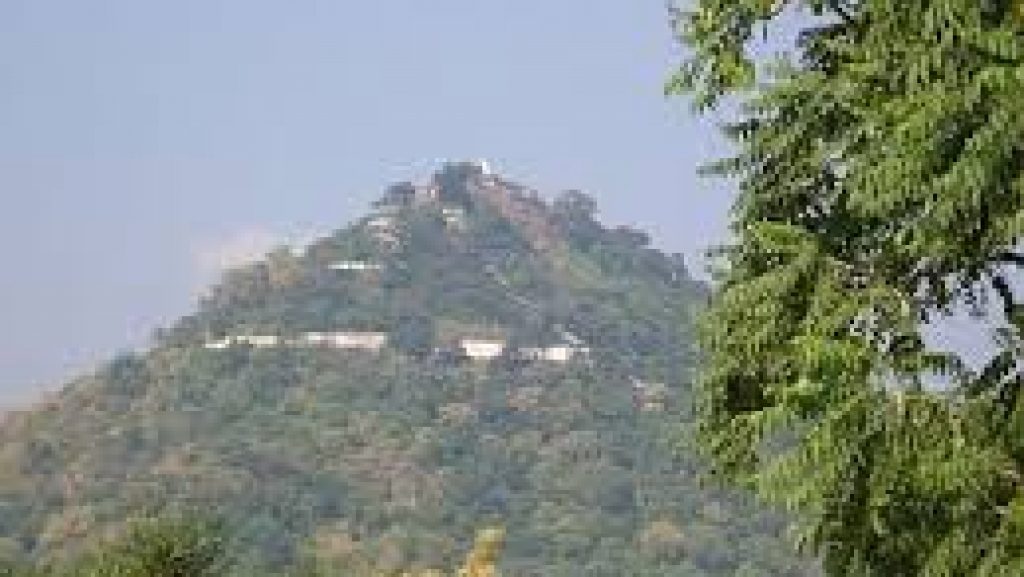
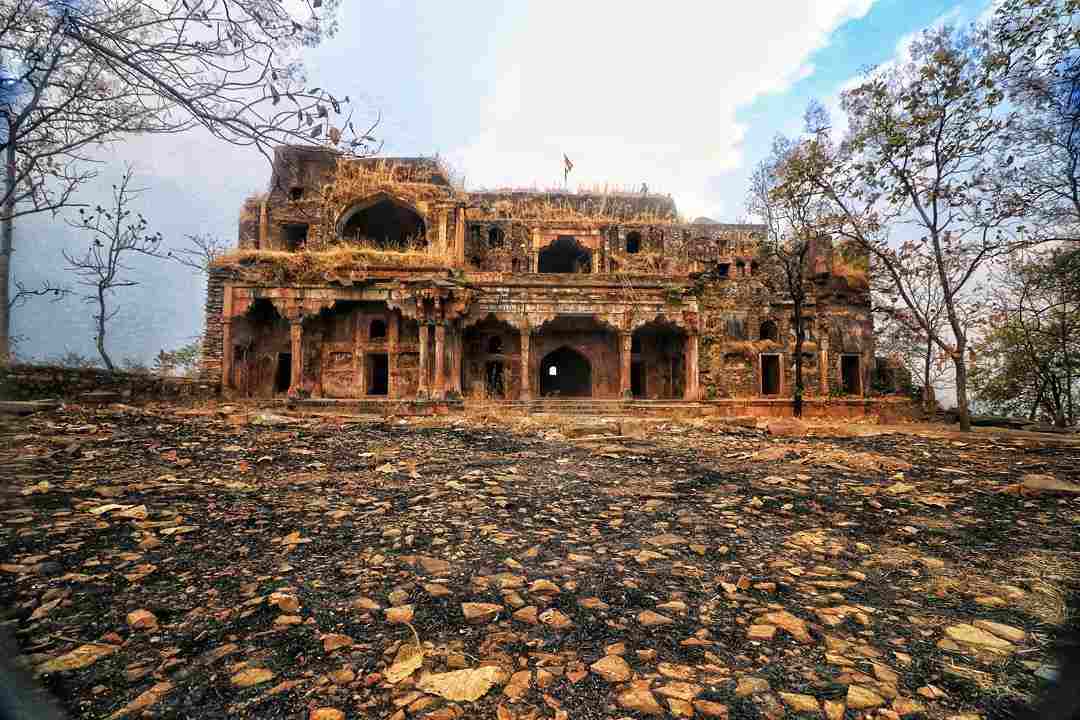
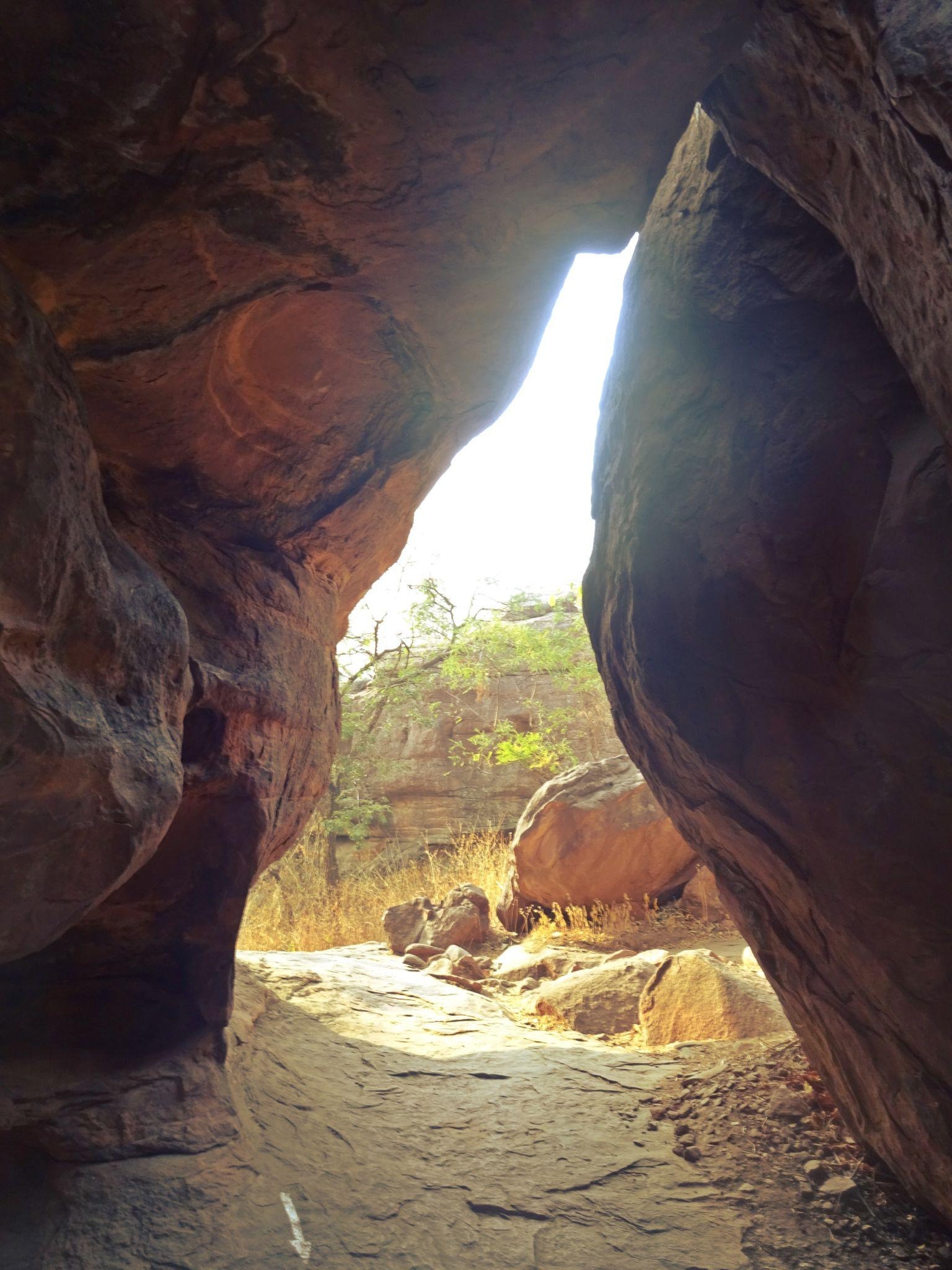
Bhimbetika (also spelled Bhimbetka) is one of the most amazing places in India. It is a group of ancient rock shelters located in Raisen District, Madhya Pradesh, about 45 km south-east of Bhopal. These rocky shelters are home to thousands of paintings made by early humans who lived here thousands of years before the pyramids of Egypt were even built.
In 2003, the United Nations recognized Bhimbetika as a UNESCO World Heritage Site — one of only 43 such sites in all of India. This means the world agrees: Bhimbetika is a treasure that belongs to all of humanity.
Bhimbetika is not just a tourist spot. It is a living history book, written in color on stone walls, telling us the story of how human beings lived, hunted, danced, and celebrated — long before history was written down.
Quick Facts at a Glance
Detail Information
The Meaning Behind the Name "Bhimbetika"
Have you heard of the great Indian epic Mahabharata? In it, there are five Pandava brothers. One of them is Bhima — the strongest and tallest of all. According to a popular local legend, Bhima used to rest and sit in these caves during the years when the Pandavas were sent into exile.
The name "Bhimbetika" comes from two Hindi words:
Bhim = Bhima (the Pandava brother)
Baithaka = Sitting place or lounge
So Bhimbetika literally means "Bhima's Resting Place."
There is also a Mata Vaishavi Temple at the site, which locals say was built by the Pandavas during their exile for their family goddess (Kul-Devi). Even today, people come here to pray and celebrate festivals. The first bonfire of Holi is lit here every year.
History of Bhimbetika — A Journey Through 100,000 Years
Bhimbetika is not just old. It is incredibly old. Let's understand the timeline:
100,000+ Years Ago — Early Humans Arrive
Archaeological evidence suggests that some rock shelters at Bhimbetika were inhabited by human beings more than 100,000 years ago. These were not modern humans as we know them, but ancient ancestors who used simple stone tools.
Stone Age — Life in the Rocks
During the Stone Age (Paleolithic and Mesolithic periods), people lived inside these natural rock shelters. They had no metal tools, no farming, and no cities. They hunted animals, gathered fruits, and used these caves as their homes. They started painting on the walls to record their lives.
10,000 BCE — Earliest Cave Paintings
The oldest confirmed cave paintings at Bhimbetika date back to around 10,000 BCE (about 12,000 years ago).
The people who made these were skilled artists who used plant-based colors that are still visible today.
2nd Century BCE — Continuous Settlement
The Archaeological Survey of India has found evidence of continuous human settlement at Bhimbetika from the Stone Age all the way to the 2nd century BCE. That means people lived here for tens of thousands of years, generation after generation.
Medieval Period
Even during medieval times (roughly 500–1500 CE), people were still making paintings here. Some of these later paintings show battle scenes, soldiers on horses and elephants, and kings with swords — very different from the early hunting scenes.
Discovery of Bhimbetika — Who Found It?
For centuries, Bhimbetika was hidden from the outside world, covered by the thick forests of what is now the Ratapani Wildlife Sanctuary.
In 1888, a British official named W. Kincaid first mentioned Bhimbetika in a scholarly paper. But he never visited it himself and incorrectly described it as a Buddhist site.
The real discovery happened in 1957, when an Indian archaeologist named Vishnu Shridhar Wakankar was traveling by train and noticed unusual rock formations from the window. He stopped, explored, and realized he had found something extraordinary.
Wakankar said the rock shelters reminded him of similar sites he had seen in Spain and France. He knew immediately that this was a prehistoric treasure.
In 1970, detailed archaeological research began at the site.
In 1990, Bhimbetika came under the management of the Archaeological Survey of India (ASI).
In 2003, UNESCO declared it a World Heritage Site.
The Rock Paintings — What Do They Show?
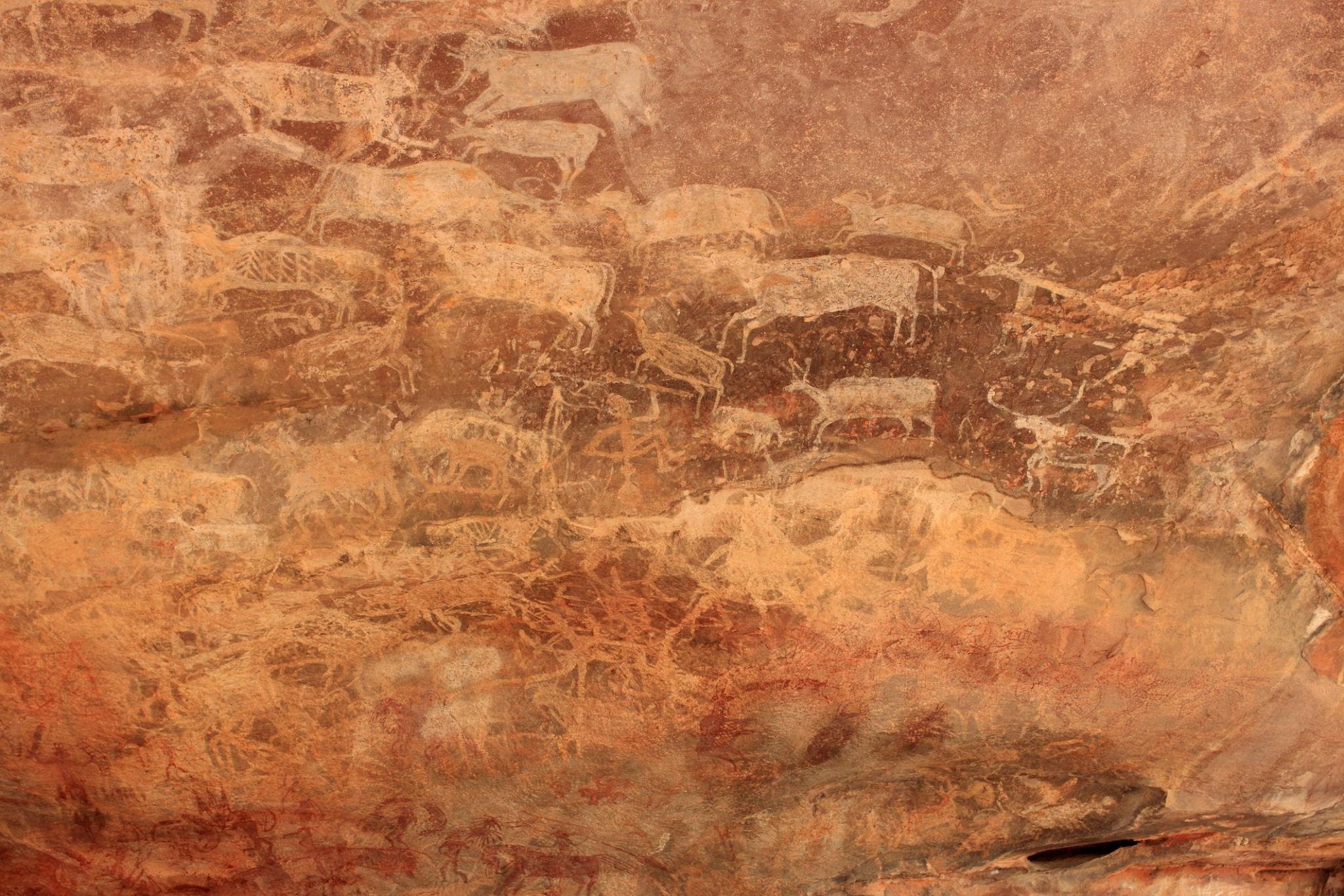
The cave paintings of Bhimbetika are like a giant storybook. They were painted by people who could not write, so they used pictures to tell their stories.
What Colors Were Used?
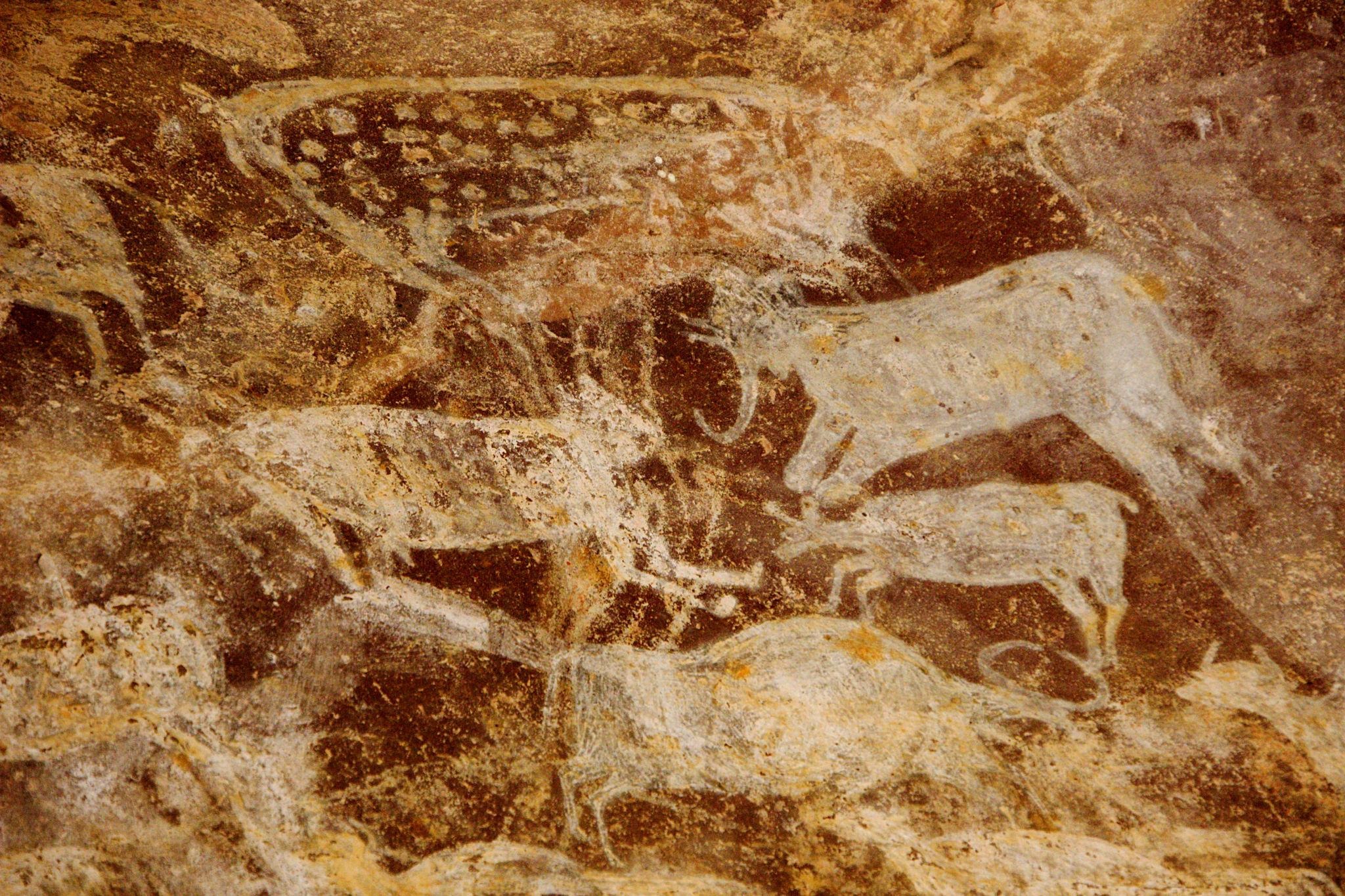
The artists used natural, plant-based colors — mostly red, white, green, and yellow. The most common colors are red and white. The fact that these colors have survived thousands of years without fading is remarkable. Scientists believe the paintings were often made deep inside niches or on inner walls, which protected them from wind and rain.
What Subjects Are Painted?
The paintings cover a huge range of topics from daily life:
Animals Depicted Include:
Bison, elephants, rhinoceros, tigers, wild boar
Deer, antelope, horses, monkeys, sloth bears
Fish, turtles, peacocks, and various birds
A famous painting shows a massive red bison chasing a man — one of the most well-known images in Indian prehistoric art.
Human Activities Shown:
Hunting scenes with bows, arrows, and spears
Dancing and celebrations
Communal eating and drinking
Religious rituals and burials
Childbirth scenes
Tree gods and religious symbols
Battle scenes with horses, elephants, swords (in later periods)
One particularly famous painting has been nicknamed "Nataraj" — it shows a man holding a trident-like staff and dancing, similar to the famous pose of Lord Shiva.
Similarities with Cave Art Worldwide
Bhimbetika's rock art looks surprisingly similar to cave paintings found in:
Kakadu National Park, Australia.
Kalahari Desert, Africa (Bushmen paintings)
Lascaux Cave, France (Upper Paleolithic)
This shows that early humans around the world had similar creative instincts — even though they never knew each other existed!
7 Periods of Bhimbetika Paintings
Archaeologists have divided the Bhimbetika cave paintings into 7 distinct time periods, based on the style, color, and subject matter.
Period Time Frame Style & Theme
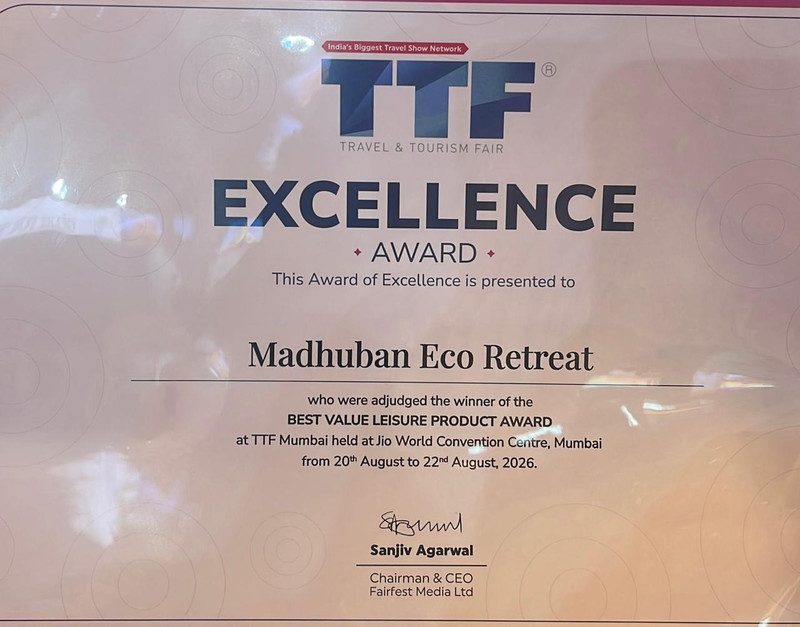
Each period tells a different chapter of the same human story — from wild hunter to farmer to warrior to king. Although there are 750+ rock shelters, visitors are allowed to explore 12 to 15 of them. Here are the most famous ones: This is the largest cave shelter at Bhimbetika. It is so big, with such high arches, that it feels like you have walked inside a cathedral. There is a large boulder at the entrance called the "Chief's Rock" or "King's Rock" — believed by some archaeologists to have been a place of significance. This shelter has so many animal paintings packed together that archaeologists nicknamed it the "Zoo Rock." You can see elephants, deer, bison, and many more animals, all painted one over another across different time periods. One of the most photographed images at Bhimbetika shows a massive red bison charging toward a man. His two companions stand helplessly nearby. This painting is estimated to be around 30,000 years old. This is not a painting — it is a natural rock formation that looks exactly like a giant turtle. From the top of Turtle Rock, you get a breathtaking panoramic view of the Ratapani Wildlife Sanctuary. The view makes you understand why early humans chose this spot — they could see predators and prey coming from miles away. An ancient temple dedicated to Mata Vaishno Devi, said to have been built by the Pandavas during their exile. Outside the temple is a large rock seat called "Bheem ki Baithak" — Bhima's Seat. The first bonfire of Holi is lit here each year. Some of the caves have cup-like depressions carved into the rock floor. These are believed to be around 100,000 years old — some of the oldest human-made marks in the country. Here's a mind-bending fact: the rocks at Bhimbetika also contain Precambrian fossils from hundreds of millions of years before humans ever existed! You can find these ancient marine fossils embedded in the sandstone. In 2003, UNESCO (United Nations Educational, Scientific and Cultural Organization) declared Bhimbetika a World Heritage Site. It is one of only 43 UNESCO World Heritage Sites in India. Bhimbetika was selected based on two UNESCO criteria: Criterion (iii): Bhimbetika shows exceptional evidence of how human beings interacted with their environment over an incredibly long period — from the Stone Age to historical times. Criterion (v): The site is closely linked with a hunting and gathering way of life. Remarkably, the 21 villages near Bhimbetika still show cultural traditions that look similar to what is painted on those ancient cave walls — a living connection to the past. The site covers 1,892 hectares and includes a buffer zone to protect the surrounding forests. Bhimbetika sits inside the Ratapani Wildlife Sanctuary, one of Madhya Pradesh's most beautiful and biodiverse forest areas. This is also a Tiger Reserve. Wildlife You May Spot Near Bhimbetika: Bengal Tiger (Ratapani is a Tiger Reserve) Leopard, sloth bear, wolf, hyena Sambar deer, chital (spotted deer), nilgai Wild boar, porcupine, monitor lizard 70+ species of birds including paradise flycatchers, orioles, kingfishers, hornbills Flora (Plants & Trees): Teak, tendu, mahua, bija, and bamboo forests Medicinal plants and herbs Seasonal flowers and shrubs The sandstone rock formations of Bhimbetika are embedded in dense deciduous forests. Some rocks have taken spectacular shapes due to centuries of wind and water erosion — looking like animals, faces, and mythical creatures. Bhimbetika is easily accessible from Bhopal, Indore, and even nearby eco resorts like Madhuban Eco Retreat in Ratapani. By Air The nearest airport is Raja Bhoj International Airport, Bhopal — about 55 km from Bhimbetika. Bhopal has good flight connections from Delhi, Mumbai, Indore, and other major cities. From the airport, hire a taxi or cab to reach Bhimbetika in about 1 hour 15 minutes. By Train The nearest major railway station is Bhopal Junction (~46 km). Bhopal is well connected to most Indian cities. From Bhopal station, take a private taxi or auto-rickshaw. Obedullaganj Railway Station (~9 km from Bhimbetika) is even closer and convenient for those coming from Hoshangabad/Narmadapuram side. By Road The most convenient way to visit Bhimbetika is by road. From Bhopal: Take NH-46 (Bhopal–Hoshangabad Highway). The drive takes around 1 hour. From Indore: Take NH-52 toward Bhopal, then turn toward Bhimbetika. Takes about 2.5–3 hours. From Ratapani (Madhuban Eco Retreat): Bhimbetika is just ~20 km away — a quick 25-minute scenic drive through the forest. From Sanchi: About 60 km, roughly 1.5 hours by road. By Bus Buses from Bhopal's ISBT-Habibganj terminal go toward Hoshangabad. Get off at the Bhimbetika turnoff on the main highway, then walk or take a local auto to the site entrance. Timings Open all 7 days a week: 7:00 AM to 6:00 PM No entry after 6:00 PM. Plan to arrive early morning to enjoy the best light for photography and to avoid crowds. Entry Fee (Approximate — Verify at Gate) Category Fee Mini Bus (in-campus) ₹100 (Indians) / ₹400 (Foreigners) Note: Entry fees are subject to change. Please verify at the gate before your visit. Bhimbetka Visitor Rules Only 12–15 rock shelters are open to the public at a time No photography with flash inside the shelters Do not touch the paintings No littering — carry your waste back Wear comfortable walking/trekking shoes Carry water and snacks (limited facilities inside) Hiring a guide is highly recommended (limited official guides available — book in advance if possible) Season Months Experience October to March is the best time to visit Bhimbetika. The weather is cool, the forests are green (especially right after monsoon), and the sky is clear — perfect for photography. If you visit during monsoon (July–September), the landscape is stunningly green and alive. The rock formations look even more dramatic with mist and clouds. Fewer tourists means a more peaceful, personal experience. Bhimbetika is surrounded by several other amazing attractions. Here's what you can explore on your trip: About 45 km away, the Bhojeshwar Shiva Temple houses one of the largest Shivalingas in India — 7.5 feet tall. Built by Raja Bhoj of the Paramara dynasty, the temple is strangely incomplete but hauntingly beautiful. One of the most important Buddhist monuments in India, Sanchi Stupa is a UNESCO World Heritage Site as well. Emperor Ashoka built it in the 3rd century BCE. Its detailed stone carvings are world-famous. An ancient Buddhist monastic complex, believed to have been visited by Gautama Buddha himself and later by Emperor Ashoka. Stone inscriptions still stand at the site. A perfect partner site for a Bhimbetika visit. Ratapani is a Tiger Reserve. You can take a jeep safari early in the morning for a chance to spot tigers, leopards, deer, and hundreds of bird species. The forest is breathtaking. The Narmada River flows nearby. A short drive brings you to the banks of one of India's most sacred rivers for a peaceful sunrise or sunset. The forests around Bhimbetika and Ratapani are excellent for trekking and nature trails. Guided walks through the deciduous forest, learning about medicinal plants and wildlife tracks, are a deeply rewarding experience. The Ratapani region hosts 70+ species of birds. Paradise flycatchers, Indian rollers, kingfishers, hornbills, and many more make the area a birder's delight, especially in winter. After exploring 30,000 years of human history at Bhimbetika, where do you rest your head? The most enchanting stay near Bhimbetika is right inside the Ratapani forest — at Madhuban Eco Retreat. Madhuban Eco Retreat is a premium eco-luxury resort nestled in 20 acres of private forest, surrounded by the Ratapani Wildlife Sanctuary and Tiger Reserve. Set at the foothills of the Vindhyachal mountain range, the resort offers breathtaking views of the mountains on one side and the Ratapani forest on the other. It is located just ~20 km from Bhimbetika — making it the ideal base camp for your Bhimbetika trip. You can visit the caves in the morning and return to the forest in the evening for a magical sunset, birdwatching, or stargazing. Accommodation Options Room Type Highlights Every room type keeps you close to nature while providing genuine comfort. Key Features & Experiences Infinity Pool — swim with forest views stretching to the horizon Guided Forest Walks — discover medicinal plants, butterflies, and wildlife tracks Bird Watching — 70+ bird species with an expert naturalist guide Jungle Safari — tiger reserve safari nearby Organic & Ethnic Cafe — Gond tribe-themed vegetarian restaurant with local delicacies Star Gazing Sessions — clear night skies away from city lights Ropeway Adventures — thrilling fun for the whole family Survival Skills Workshops — unique outdoor learning experiences Cycling Tracks, Hammocks & Open-Air Seating 100% Vegetarian & No Alcohol Zone — pure and mindful environment Why Madhuban? Madhuban Eco Retreat is built on the principle of sustainable hospitality. The resort follows eco-conscious practices, uses natural materials in its architecture, minimizes disruption to the local ecosystem, and actively participates in forest conservation. It is one of the best eco resorts in Madhya Pradesh for travelers who love nature, wellness, and responsible travel. Whether you're a solo traveler, a family, a couple on a romantic getaway, or a corporate group looking for a unique offsite — Madhuban offers an experience that city hotels simply cannot. Contact Madhuban Eco Retreat: +91-9770558419 Website: www.madhubanecoretreat.com Here are some practical tips to make your Bhimbetika visit the best it can be: Start Early — Arrive by 8–9 AM to beat the crowd and enjoy cool temperatures. Hire a Guide — Only official guides can explain the paintings in detail. Book in advance if possible.Guides charge approximately ₹500–₹1,000. Wear Comfortable Shoes — The site involves walking on uneven rocky terrain. Sports shoes or trekking shoes are a must. Carry Water & Snacks — Food stalls outside the entrance are limited. Carry enough water, especially in winter. No Flash Photography — Flash can damage the ancient pigments. Switch it off inside the caves. Don't Touch the Paintings — Natural oils from your hands can damage 30,000-year-old art. Look, don't touch. Spend at Least 2–3 Hours — A quick visit won't do justice. Spend at least 2–3 hours exploring. Combine with Nearby Sites — Plan a 2-day trip to cover Bhimbetika, Sanchi, Bhojpur, and Ratapani. Stay at Ratapani — Staying at Madhuban Eco Retreat makes it easy to visit Bhimbetika early morning and spend the evening in the forest. Download a Map — Mobile signal can be weak inside the forest area. Download offline maps beforehand. If you ever thought history was boring, Bhimbetika will change your mind forever. Standing inside one of these ancient rock shelters, looking at a painting made by a human being 30,000 years ago, you feel something very profound. You realize that the urge to tell stories, to create art, to record life — that is something that has been in human hearts for as long as we have existed. Bhimbetika is India's gift to the world. It is older than the oldest known civilizations. It is a place where the past is not in a book — it is right there, in front of you, painted on stone. Location: Bhimbetika, Raisen District, Madhya Pradesh – 45 km from Bhopal Nearest Stay: Madhuban Eco Retreat, Ratapani Wildlife Sanctuary | www.madhubanecoretreat.com | +91-9770558419Key Attractions Inside Bhimbetika
1. The Auditorium Cave
2. Zoo Rock
3. The Famous Red Bison Painting
4. Turtle Rock
5. Bhimbetika Kuldevi Temple
6. Cup-Mark Shelters
7. Precambrian Fossils
Bhimbetika — UNESCO World Heritage Site
Wildlife & Nature Around Bhimbetika
How to Reach Bhimbetika
Timings, Entry Fee & Visitor Rules
Best Time to Visit Bhimbetika
Things to Do Near Bhimbetika
1. Bhojpur Temple (45–50 min drive)
2. Sanchi Stupa (60 km)
3. Saru Maru Caves (near Ratapani)
4. Ratapani Wildlife Safari
5. Narmada River Darshan
6. Trekking & Forest Walks
7. Bird Watching
Where to Stay Near Bhimbetika — Madhuban Eco Retreat
Madhuban Eco Retreat — Your Forest Home Near Bhimbetika
Travel Tips for Visiting Bhimbetika
Conclusion — Bhimbetika is Not Just a Place, It's a Journey Through Time