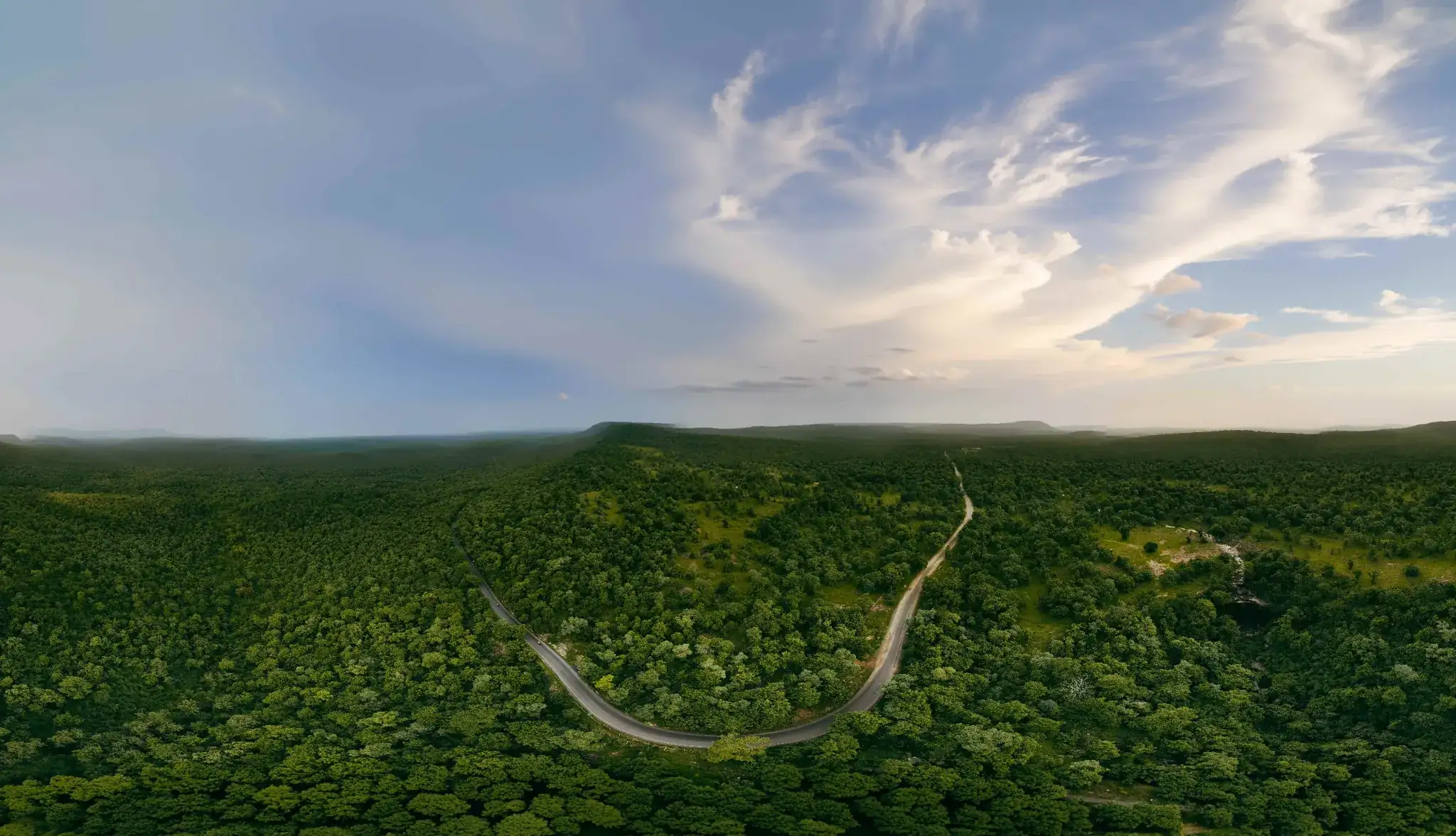
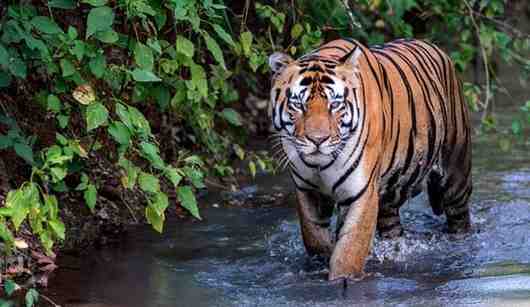
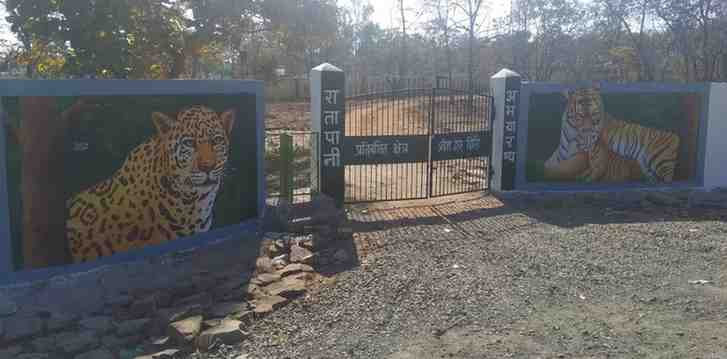
For many years, this forest region near Bhopal was known as Ratapani Wildlife Sanctuary. Recently, it gained a new identity as Ratapani Tiger Reserve, marking an important milestone in wildlife conservation in Madhya Pradesh. This change was not sudden or cosmetic. It was the result of years of ecological observation, rising tiger presence, and the need for stronger protection.
Located close to Bhopal, Ratapani has always been rich in forests, rivers, hills, and wildlife. Yet, it remained away from mass tourism. With its new status as a tiger reserve, Ratapani is now gaining attention while still holding on to its calm, natural character.
This article explains why Ratapani Tiger Reserve is special, what makes it unique, its history, nearby attractions, where to stay, and why it is one of the best destinations in India for slow tourism.
From Ratapani Wildlife Sanctuary to Ratapani Tiger Reserve
Becoming a tiger reserve brings stronger legal protection, scientific monitoring, and sustainable tourism planning. It ensures that development does not disturb the natural balance of the forest.
Ratapani Wildlife Sanctuary was formally established in 1976 and spread across the Raisen and Sehore districts of Madhya Pradesh as a protected forest area to conserve wildlife and prevent habitat loss. In 2024, the Government of Madhya Pradesh officially notified it as a tiger reserve — making it the state’s eighth tiger reserve. The notification was issued on 2 December 2024 by the Ministry of Environment, Forest and Climate Change under the Wildlife (Protection) Act, with the formal inauguration taking place around 13 December 2024.

Why did the change happen?
With consistent tiger sightings and an increase in tiger numbers over the years, Ratapani became a critical habitat needing stronger legal protection and dedicated conservation planning.
The National Tiger Conservation Authority (NTCA) granted in-principle approval for its tiger reserve status as early as 2008 — but full notification took many years due to procedural delays.
The upgrade also ensures access to central funding for wildlife management, better forest monitoring, buffer-core management planning, and ecotourism development.
With this status, Ratapani’s protected area stretches across 1,271.4 sq km, including a core zone (763.8 sq km) and a buffer zone (507.6 sq km) — a structure that supports both wildlife preservation and controlled community engagement.
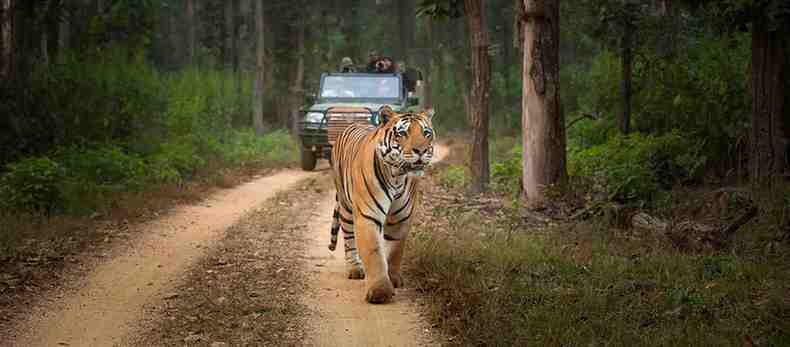
Tourism Growth and Why People Love Visiting Ratapani
Although detailed official annual visitor statistics for Ratapani are not yet released publicly, forest officials and tourism experts note several clear trends:
1. Increased Tourist Interest Since Tiger Reserve Notification
The reserve’s proximity (≈ 50 km) to Bhopal, the state capital, has made it more accessible for domestic and international travellers.
Tourists seeking natural, offbeat, and non-commercial wildlife experiences are increasingly choosing Ratapani over crowded national parks.
Local tourism stakeholders report an uptick in eco-tourism bookings at nearby resorts and forest stays post-2024 designation (based on market contacts and regional tourism feedback).
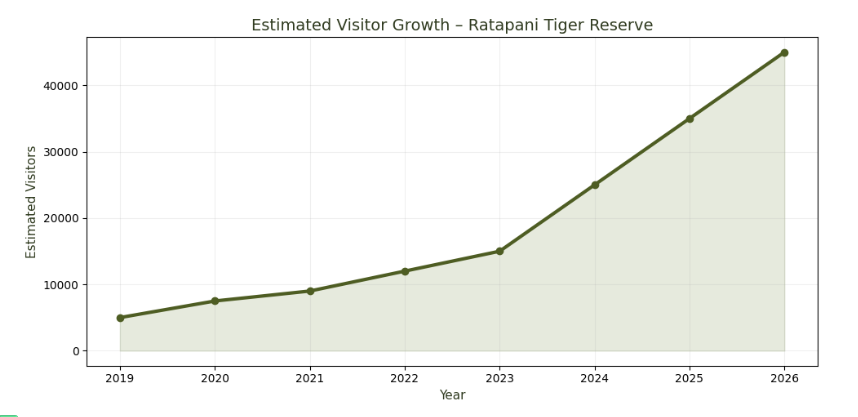
Tourism Growth Table & Graph (Estimated Trends)
Note: Graph data below is a projected illustration based on tourism industry feedback, lodge bookings, and regional travel reports since reserve status changed.
Table: Estimated Visitor Growth (2019–2026)
Estimated figures based on local hotel/resort occupancy trends and forest tourism growth patterns.
2. Growth in Wildlife Awareness and Conservation Tourism
With tiger numbers growing and better reporting from the Tiger Census (Status of Tigers, Co-predators & Prey in India), wildlife enthusiasts are showing more interest even during pre-reserve days.
The reserve is home to:
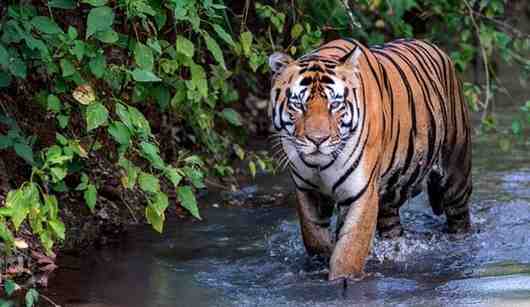
Bengal Tigers
Leopards
Sloth Bears
Wild Dogs
Sambar, Chital, Nilgai
Over 250 species of birds
2. Forest Landscape
Ratapani’s location along a major wildlife corridor between the Vindhya Hills and Satpura landscapes makes it ideal for those interested in observing predator–prey dynamics, birdlife, and ecosystems.
Ratapani features dry deciduous forests with teak, bamboo, and mixed vegetation. Seasonal rivers and natural water bodies support wildlife throughout the year.
3. Local Economic & Community Benefits
Ecotourism development around Ratapani is expected to generate employment opportunities and improve local livelihoods, especially through guide services, homestays, and eco-retreats.
History, Culture, and Human Connection
Ratapani is not only a wildlife zone; it is also a land of ancient human history. Nearby rock shelters, tribal settlements, and forest paths show how humans and nature have coexisted here for thousands of years.
Local communities still follow traditional lifestyles connected to the forest, making Ratapani culturally significant as well.
Nearby Attractions Around Ratapani Tiger Reserve
One of the biggest strengths of Ratapani Tiger Reserve is its location. Within a short driving distance, travelers can explore ancient history, spirituality, waterfalls, rivers, and forts. These places add depth to the journey and allow visitors to travel slowly, without rushing.
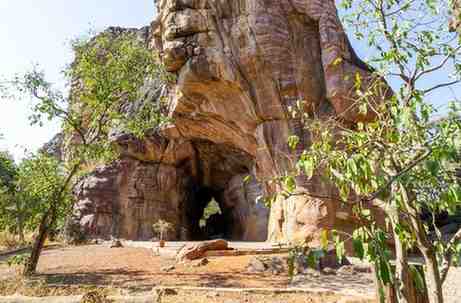
1. Bhimbetka Rock Shelters
Distance from Ratapani Tiger Reserve: approx. 25–30 km
Bhimbetka Rock Shelters are among the most important archaeological sites in India and are recognized as a UNESCO World Heritage Site. These natural caves and rock shelters contain prehistoric paintings that date back more than 30,000 years.
The artwork depicts early human life, hunting scenes, animals, and daily activities. Surrounded by forested hills, Bhimbetka blends history with nature, making it a meaningful stop for travelers interested in culture, anthropology, and slow exploration.
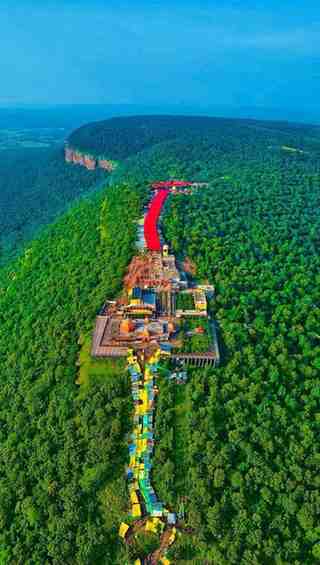
2. Salkanpur (Vindhyavasini Temple)
Distance from Ratapani Tiger Reserve: approx. 35–40 km
Salkanpur is a well-known spiritual destination dedicated to Goddess Vindhyavasini, believed to be one of the incarnations of Goddess Durga. The temple is located on a hilltop and requires a climb of steps or a short drive.
Apart from religious importance, Salkanpur offers peaceful surroundings, scenic forest views, and a calm atmosphere. It is often visited early in the morning or during festivals and fits well into a slow tourism itinerary that combines faith and nature.

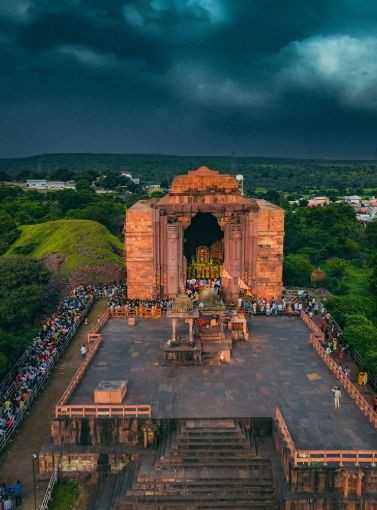
3. Bhojpur Temple
Distance from Ratapani Tiger Reserve: approx. 30–35 km
Bhojpur Temple is an unfinished 11th-century temple dedicated to Lord Shiva, built during the reign of Raja Bhoj. The temple is famous for its massive Shiva Lingam, one of the largest in India.
The incomplete structure gives visitors insight into ancient temple architecture and engineering. Set near the Betwa River, Bhojpur is a quiet and reflective place, ideal for travelers who enjoy history without crowds.

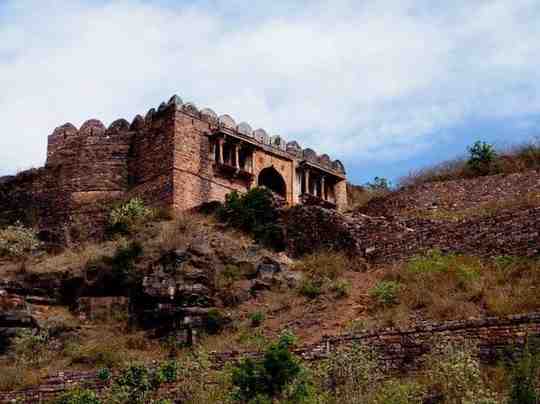
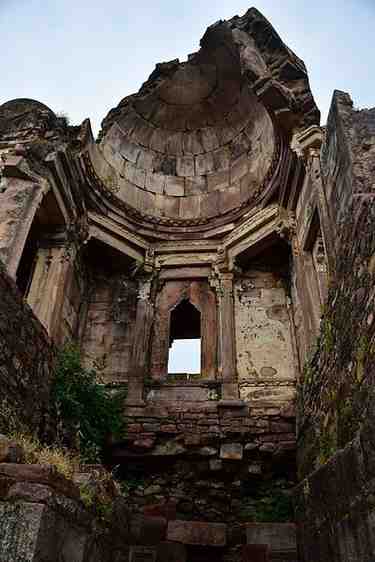
4. Raisen Fort (Raisen Kila)
Distance from Ratapani Tiger Reserve: approx. 40–45 km
Raisen Fort stands tall on a rocky hill and dates back several centuries. The fort has witnessed the rule of multiple dynasties and holds great historical importance in central India.
From the top, visitors can enjoy panoramic views of the surrounding plains and forests. Exploring Raisen Fort is a slow and immersive experience, best enjoyed by taking time to walk through its ruins and absorb the silence of the place.
5. Amargarh Waterfall
Distance from Ratapani Tiger Reserve: approx. 45–50 km
Amargarh Waterfall is a seasonal natural waterfall surrounded by dense forest and rocky terrain. It is especially beautiful during and after the monsoon season when the water flow is strong.
The area around the waterfall is peaceful and less commercial, making it perfect for nature lovers. Visitors often spend time relaxing, listening to the sound of water, and enjoying the raw beauty of the landscape.
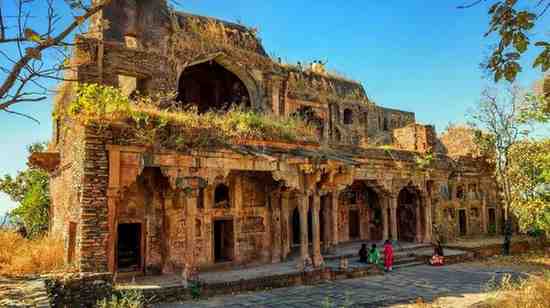
Distance from Ratapani Tiger Reserve: approx. 55–60 km Ginnorgarh Fort is an ancient fort hidden deep inside forested terrain. Reaching the fort involves a trek, which adds to the adventure and makes it popular among history enthusiasts and slow travelers. The fort is associated with legends and offers stunning views of the surrounding forest. Its remote location ensures minimal crowds and a strong connection with nature and history.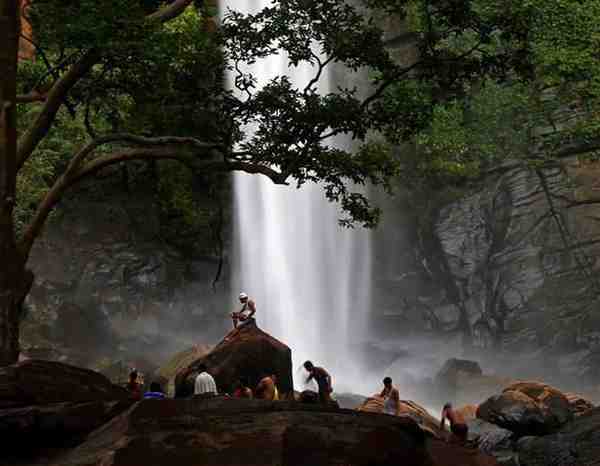
6. Ginnorgarh Fort
7. Bandrabhan Ghat
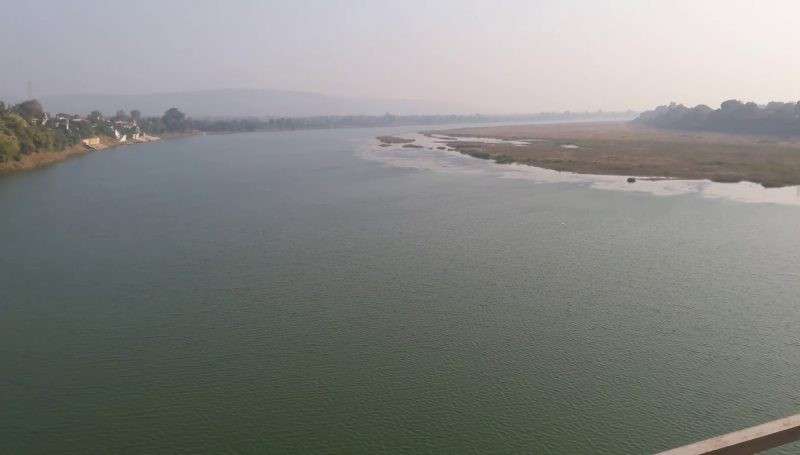
Distance from Ratapani Tiger Reserve: approx. 60–65 km
Bandrabhan Ghat is a sacred riverbank located at the confluence of the Narmada and Banjar rivers. It is considered an important spiritual site and is visited for rituals, quiet reflection, and river-side walks.
The calm flow of the river, open skies, and natural surroundings make Bandrabhan Ghat a peaceful stop, especially during sunrise or sunset. It complements a slow tourism journey focused on mindfulness and natural beauty.
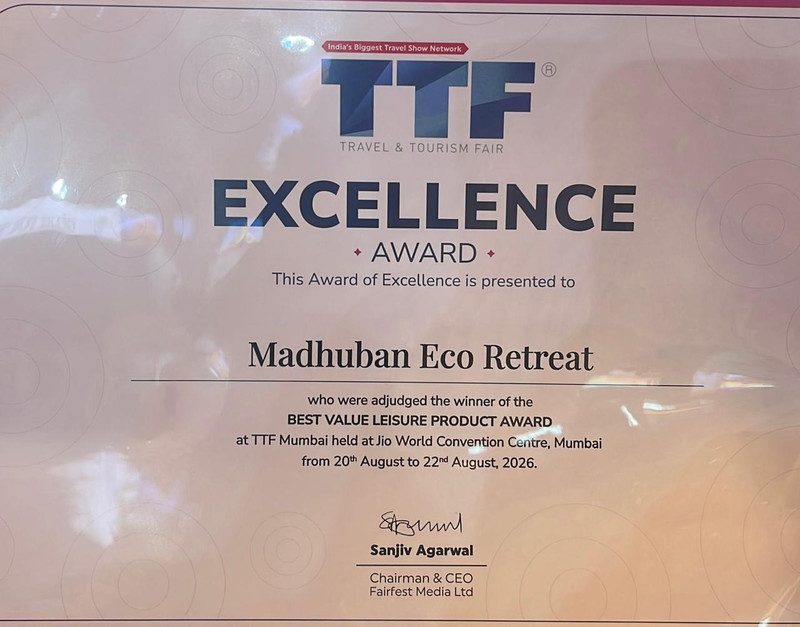
Slow tourism focuses on quality over quantity, connection over consumption, and nature over noise. Ratapani naturally fits this philosophy. Low tourist pressure Quiet forest environment Time for wildlife observation Local village experiences Eco-friendly accommodations Here, travelers are encouraged to slow down, wake up with bird calls, walk through nature, and observe the forest without hurry. Choosing the right place to stay is important for a meaningful forest experience. Staying close to nature allows travelers to reduce travel time, support local ecosystems, and enjoy peaceful surroundings. Near Ratapani and Bhopal, eco-friendly resorts and nature stays are the best choice. These stays focus on sustainability, minimal impact, and comfort without disturbing wildlife. Madhubane Eco Resort Near Bhopal is designed for travelers who want to experience Ratapani at a slower, more mindful pace. Surrounded by nature, Madhubane offers: Eco-friendly architecture Peaceful forest surroundings Comfortable yet minimal living spaces A stay that complements wildlife exploration It is an ideal base for exploring Ratapani Tiger Reserve, nearby attractions, and experiencing slow tourism without compromising on comfort. Ratapani has been part of wildlife studies and regional documentaries focusing on tiger conservation and forest corridors. You can recommend to these resources to understand more about the ecological importance of Ratapani beyond tourism.Ratapani Tiger Reserve and Slow Tourism
Why Ratapani Is Ideal for Slow Tourism
Where to Stay Near Ratapani Tiger Reserve, Bhopal?
Madhubane Eco Retreat: A Perfect Stay for Nature Lovers
Learning Through Documentaries and Research