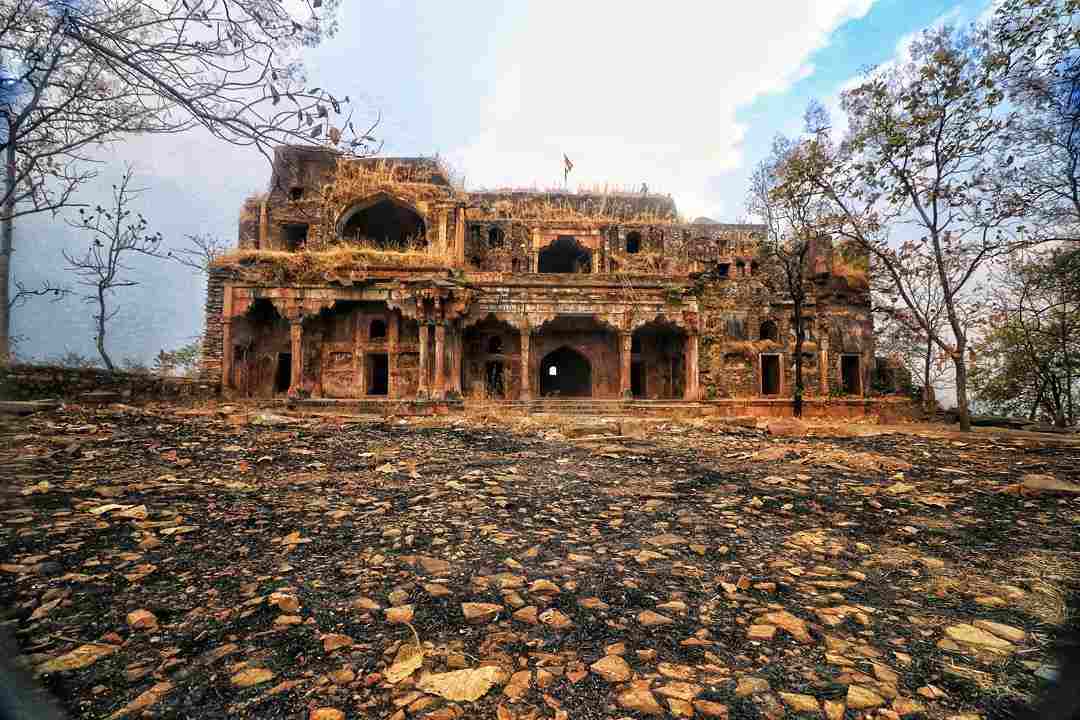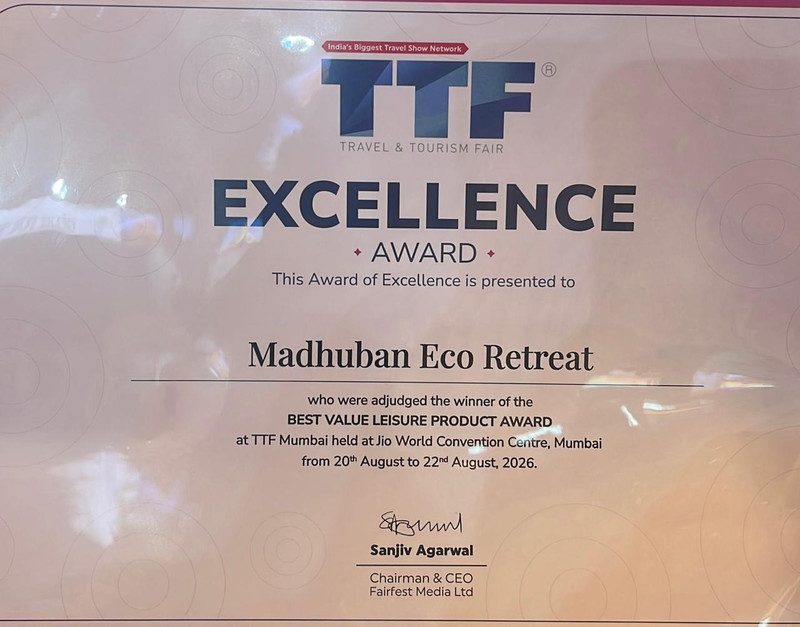
Complete Guide to Vindhyavasini Beejasan Devi Temple — Timings, Ropeway, Navratri Mela, How to Reach & Nearby Attractions Salkanpur Devi Temple is one of the most sacred and revered pilgrimage sites in Madhya Pradesh. Located atop an 800-foot hill in the Vindhyachal mountain range, this ancient temple is dedicated to Maa Vindhyavasini Beejasan Devi — a powerful incarnation of Goddess Durga who is believed to fulfill the wishes of all true devotees. Also known as Bijasan Mata Temple, Salkanpur Mandir, and Vijayasan Devi Dham, this Siddhpeeth attracts millions of devotees throughout the year. The temple is particularly famous for its grand Navratri celebrations, when lakhs of pilgrims climb the sacred stairs chanting "Jai Mata Di" to seek the blessings of the Divine Mother. What makes Salkanpur Temple unique is its stunning natural setting. Perched on a hilltop surrounded by the lush forests of the Vindhya Range — and located within the buffer zone of the Ratapani Tiger Reserve — the temple offers breathtaking panoramic views of hills, forests, and agricultural plains that stretch to the horizon. Ancient Origins The exact origins of Salkanpur Temple are lost in antiquity, but local legends and historical accounts suggest the temple has existed for several centuries. The deity, Maa Beejasan, is believed to be "Swayambhu" — self-manifested — meaning the idol appeared naturally at this sacred spot rather than being installed by human hands. The temple's location in the Vindhyachal mountains connects it to the broader tradition of Vindhyavasini worship that spans across Central India. Vindhyavasini — literally "the one who resides in the Vindhyas" — is one of the most ancient forms of Goddess worship in India, mentioned in scriptures dating back thousands of years. What is a Siddhpeeth? Salkanpur is classified as a Siddhpeeth — a place where devotees believe their prayers and wishes are fulfilled by the presiding deity. The term "Siddh" means "accomplished" or "perfected," indicating that the divine energy at this location is particularly potent for granting boons to sincere seekers. Many pilgrims undertake the challenging climb of 1,400 steps barefoot, observing fasts and abstaining from certain foods during their visit, believing that such devotion and sacrifice increases the likelihood of their wishes being granted by the Goddess. Connection to Shakti Peeth Tradition While Salkanpur is not among the 51 or 108 Shakti Peeths mentioned in traditional texts, it is widely revered as one of the most important Devi temples in Madhya Pradesh. The temple follows the Shakti tradition of Goddess worship, where the Divine Feminine is venerated as the supreme power of the universe. The idol of Maa Beejasan faces south — an unusual orientation that adds to the temple's mystique. Local tradition holds that the Goddess chose this direction herself, and devotees believe this southward-facing form has special protective powers. The presiding deity of Salkanpur Temple is Maa Vindhyavasini Beejasan Devi — a fierce yet compassionate form of Goddess Durga. She is worshipped as the protector of devotees and destroyer of obstacles and negative forces. The name "Beejasan" has special significance: • Beej — refers to "Beej Mantra," the seed syllables used in tantric worship • Asan — means "seat" or "throne" • Together — Beejasan represents the Goddess who is seated on the throne of sacred mantras Devotees believe that Maa Beejasan is particularly responsive to prayers related to family welfare, children's health and success, protection from negative influences, and fulfillment of heartfelt wishes. The temple sees a significant number of devotees seeking blessings for marriage, childbirth, and academic success. Salkanpur Temple is well-connected by road from Bhopal, Indore, Hoshangabad (Narmadapuram), and other major cities of Madhya Pradesh. Here is a complete guide to reaching the temple: By Road from Bhopal The most common route from Bhopal is via Hoshangabad Road (NH 46). The journey passes through scenic countryside and forested areas, offering glimpses of rural Madhya Pradesh. The road is well-maintained and suitable for all types of vehicles. Route: Bhopal → Mandideep → Obaidullaganj → Rehti → Salkanpur By Train The nearest major railway station is Bhopal Junction (BPL), which is connected to all major cities across India. Hoshangabad Railway Station is closer (25 km from Salkanpur) and lies on the Bhopal-Itarsi route, but has fewer train connections. By Air Raja Bhoj Airport, Bhopal (BHO) is the nearest airport, located approximately 70 km from Salkanpur. The airport is well-connected to Delhi, Mumbai, Hyderabad, Bengaluru, and other major cities. From the airport, visitors can hire taxis or use app-based cab services to reach the temple. Once you arrive at Salkanpur village, you have three options to reach the hilltop temple: 1. Climb the Sacred Stairs (Traditional Route) The traditional and most spiritually rewarding way to reach the temple is by climbing the more than 1,400 stone stairs. This route takes approximately 45 minutes to 1 hour depending on your fitness level and pace. Along the way, you will find small shops selling prasad, flowers, coconuts, and refreshments. Many devotees believe that climbing barefoot while chanting "Jai Mata Di" and observing a fast makes their prayers more powerful. This is especially common during Navratri when the stairs are filled with devoted pilgrims from dawn to late night. 2. Salkanpur Ropeway (Cable Car) For those who prefer a more comfortable journey, the Salkanpur Ropeway offers a thrilling cable car ride to the summit. The ropeway provides stunning aerial views of the surrounding forests, hills, and valleys. Note: A new, larger ropeway system with three stations is being developed as part of the Devi Lok project and is expected to be operational soon, reducing travel time to just 10 minutes from the base. 3. Road Access (Vehicle Route) A motorable road allows vehicles to reach the temple complex from the back side of the hill. This is the easiest option for elderly visitors, families with young children, or those with mobility challenges. Shared jeeps and contracted vehicles are available at the base. Vehicle Entry Fee: ₹10 (parking charges may apply separately) Navratri — The Most Auspicious Time Salkanpur Temple is most famous for its grand Navratri celebrations. Both Chaitra Navratri (March-April) and Sharad Navratri (September-October) see massive gatherings of devotees. During these nine auspicious days, lakhs of pilgrims visit the temple, and a grand Navratri Mela (fair) is organized with religious ceremonies, cultural programs, and local food stalls. Peak Days: The temple sees the largest crowds on Panchami (5th day), Ashtami (8th day), and Navami (9th day) of Navratri. Plan to arrive very early or visit on other days to avoid long queues. Following the success of Mahakal Lok in Ujjain, the Madhya Pradesh government has undertaken a massive development project to transform Salkanpur into "Devi Lok" — a world-class religious destination. Key Features of the Devi Lok Project: • Total Project Cost: ₹211–280 crore • New Ropeway System: Three-station cable car reducing travel time to 10 minutes • Pilgrim Amenities: Improved resting areas, drinking water, medical facilities • Mythological Displays: Depictions of the nine forms of Durga (Navdurga) and 64 Yoginis • Landscaped Corridors: Immersive walkways with stories from Hindu scriptures • Modern Infrastructure: Improved roads, parking, and visitor management systems The Devi Lok project is expected to significantly enhance the pilgrim experience while preserving the temple's spiritual sanctity. It is also anticipated to boost tourism in the entire region, including nearby attractions like Ratapani Tiger Reserve. One of the unique aspects of Salkanpur Temple is its location within the broader ecosystem of the Ratapani Tiger Reserve. While the temple itself is outside the core zone, the surrounding landscape forms part of the same Vindhyan forest belt that constitutes one of Madhya Pradesh's most important wildlife corridors. This geographical connection makes Salkanpur an excellent destination for visitors who wish to combine spiritual pilgrimage with wildlife exploration. The region offers a rare opportunity to experience both the divine and the wild in a single trip. Nearby Attractions in the Ratapani Region: Suggested Itinerary: 2-Day Spiritual-Wildlife Trip Day 1: Drive from Bhopal, visit Salkanpur Temple, climb stairs or take ropeway, attend evening aarti, overnight stay at a nearby eco-resort Day 2: Morning safari at Ratapani Tiger Reserve or visit Bhimbetka Rock Shelters, lunch, return to Bhopal Visitors looking for accommodation near Salkanpur and Ratapani can consider eco-resorts in the region that offer comfortable stays amidst nature. Properties like Madhuban Eco Retreat, located at the edge of the Ratapani sanctuary, provide an ideal base for exploring both the temple and the surrounding wildlife areas. 1. Offer Prayers and Seek Blessings The primary purpose of visiting Salkanpur is darshan of Maa Beejasan Devi. Offer flowers, coconut, chunri (red cloth), and prasad to the Goddess and seek her blessings. 2. Climb the Sacred Stairs Experience the traditional pilgrimage by climbing the 1,400+ stone stairs. Many devotees remove their footwear and chant mantras throughout the ascent. 3. Enjoy the Ropeway Ride The cable car offers spectacular views of the Vindhyan landscape and is a memorable experience for families and photography enthusiasts. 4. Attend the Aarti Ceremony The morning and evening aarti ceremonies are spiritually uplifting experiences with devotional songs, bells, and the fragrance of incense filling the mountain air. 5. Enjoy Panoramic Views The hilltop location offers breathtaking 360-degree views of forests, hills, and agricultural plains. The sunrise and sunset views are particularly spectacular. 6. Explore the Temple Complex Besides the main shrine, the temple complex includes smaller shrines, gardens, and spaces for meditation and rest. 7. Visit During Navratri Mela If visiting during Navratri, explore the grand fair with its religious performances, local handicrafts, food stalls, and cultural celebrations. What to Wear • Modest, comfortable clothing is recommended (avoid shorts and sleeveless tops) • Comfortable walking shoes if taking the stairs (many remove footwear for religious reasons) • Carry a light jacket in winter months What to Carry • Water bottle (especially important if climbing stairs) • Cash for prasad, offerings, ropeway tickets, and shops • Hat or umbrella (for sun protection in summer) • Camera for the stunning views Important Reminders • Photography may be restricted inside the main sanctum • During Navratri, private vehicles may not be allowed up the hill — use contracted jeeps or ropeway • Keep valuables secure in crowded areas • Respect the religious sentiments of fellow devotees • Maintain cleanliness — do not litter on the stairs or temple premisesSalkanpur Temple at a Glance
Introduction: What is Salkanpur Devi Temple?
History and Significance of Salkanpur Temple
About Maa Vindhyavasini Beejasan Devi
How to Reach Salkanpur Temple from Bhopal
Three Ways to Reach the Temple Summit
Salkanpur Temple Timings and Darshan Schedule
Best Time to Visit Salkanpur Temple
Grand Devi Lok Project: Transforming Salkanpur
Salkanpur and Ratapani Tiger Reserve: A Spiritual-Wildlife Circuit
Things to Do at Salkanpur Temple
Essential Tips for Visiting Salkanpur Temple
Conclusion: Why Visit Salkanpur Devi Temple?
Salkanpur Devi Temple offers a unique combination of spiritual significance, natural beauty, and adventurous pilgrimage that few temples in India can match. Whether you are a devoted pilgrim seeking the blessings of Maa Beejasan, a nature lover drawn to the Vindhyan landscapes, or a traveler looking for an off-the-beaten-path experience near Bhopal — Salkanpur has something meaningful to offer.
The ongoing Devi Lok project will transform the temple into a world-class pilgrimage destination while preserving its ancient spiritual heritage. Combined with nearby attractions like Bhimbetka, Ratapani Tiger Reserve, and Ginnourgarh Fort, Salkanpur is emerging as the centerpiece of a new spiritual-wildlife tourism circuit in Central India.
Plan your visit to Salkanpur Devi Temple and experience the divine energy of Maa Vindhyavasini Beejasan Devi — where faith meets nature, and every step of the 1,400-stair journey brings you closer to the divine.