A tiger reserve close to Bhopal
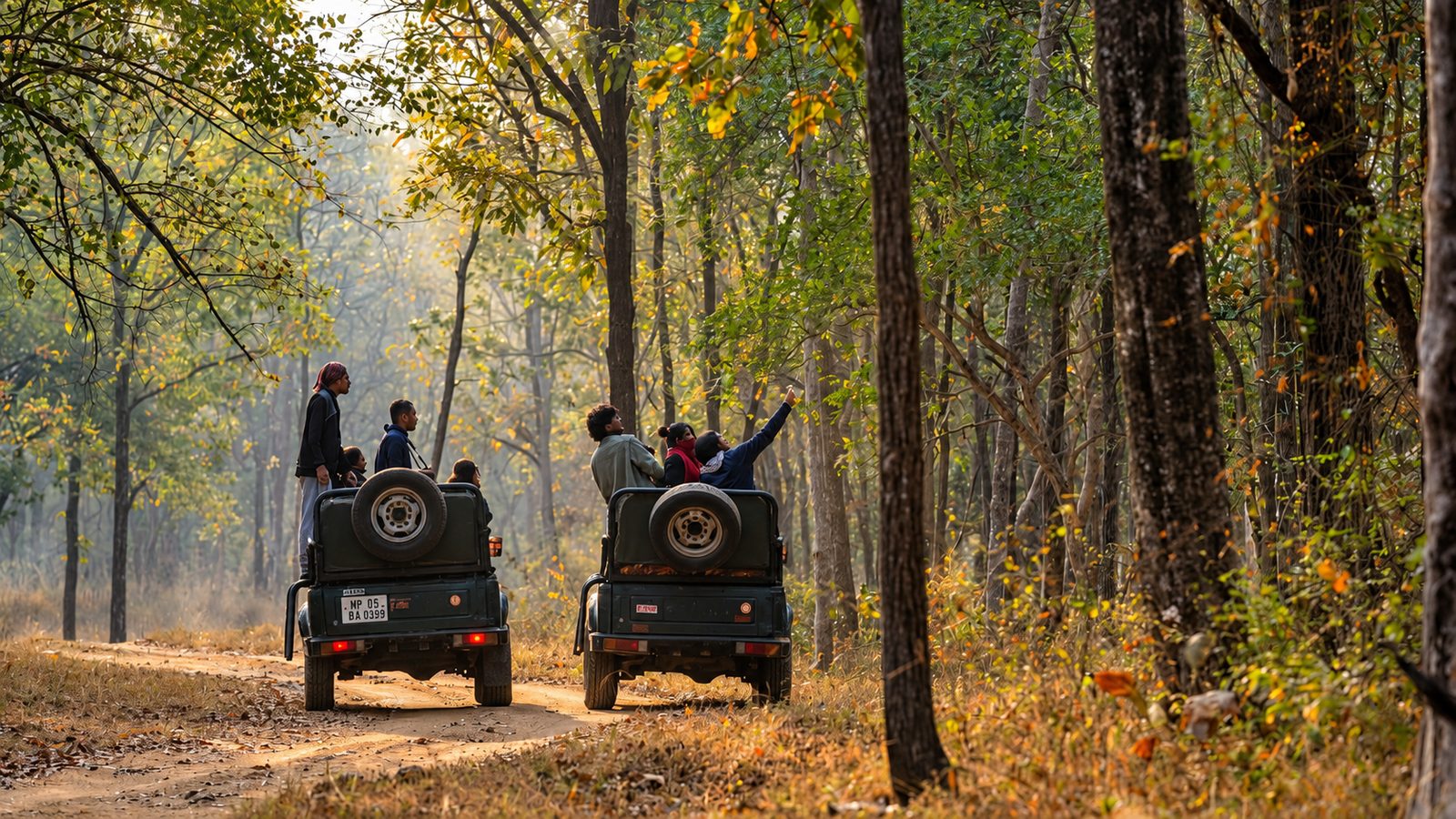
Ratapani is a short drive from Madhya Pradesh’s capital, so a real jungle safari fits into a weekend, with no multi-day transit and no complicated logistics.
Madhya Pradesh · Near Bhopal
An untouched expanse of Vindhyan sandstone, teak forest and tiger country, just an hour from Bhopal.
Discover Ratapani
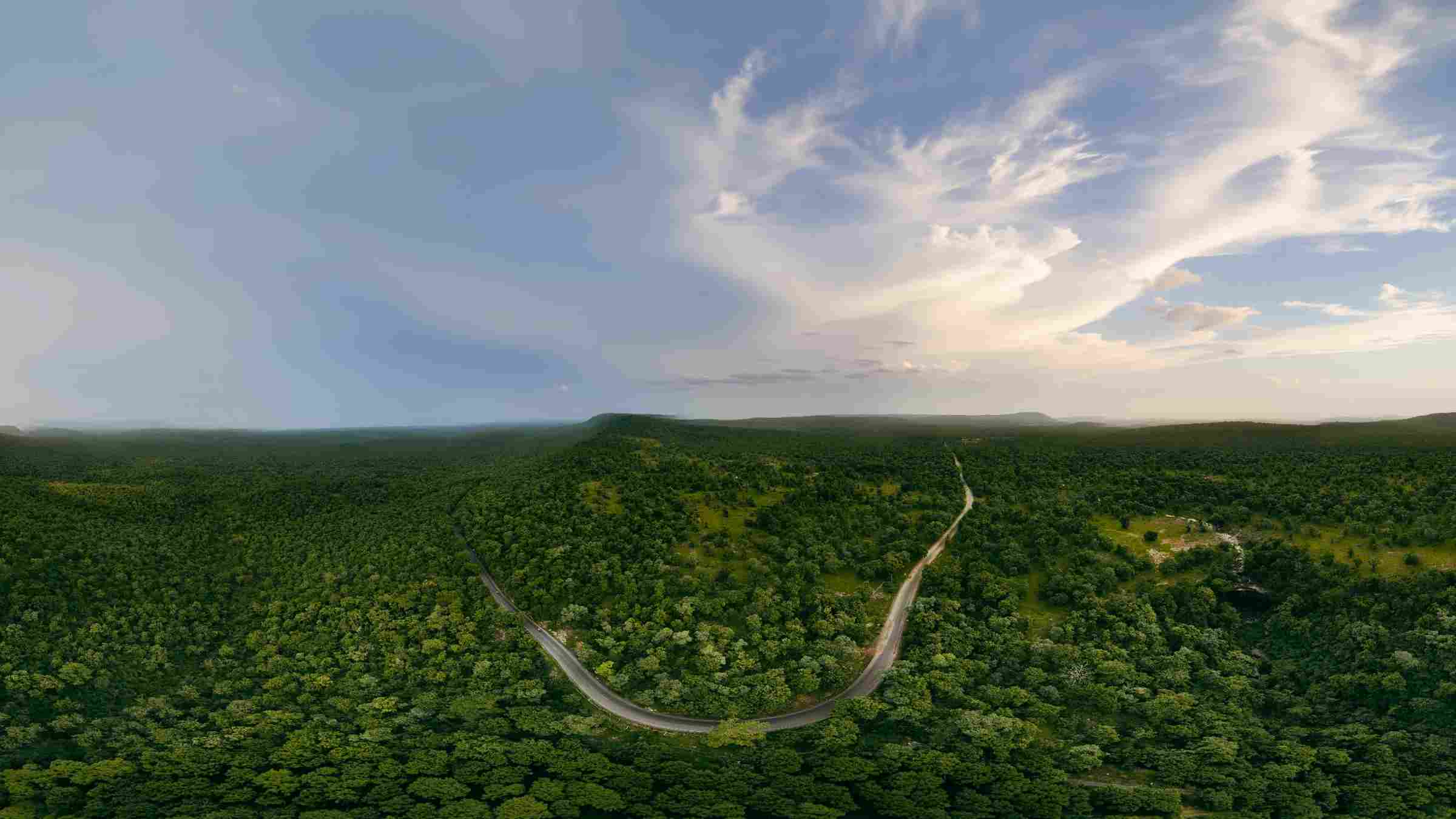
Folded into the Vindhya Range across Raisen and Sehore districts, Ratapani Tiger Reserve is central India’s newest and one of its most approachable wilderness areas, within easy reach of Bhopal.
Set up as a wildlife sanctuary in 1976, it was notified as Madhya Pradesh’s 8th tiger reserve in 2024. It covers about 1,271 square kilometres of dry deciduous and teak forest, so a real tiger safari near Bhopal needs no long journey.
Unlike crowded tourist hubs, Ratapani offers an unhurried safari. Rock monoliths rise above seasonal streams, leopards bask on sandstone ledges, and Bengal tigers move through sun-dappled teak groves.
About the reserve
Anchored by the Ratapani reservoir and framed by prehistoric rock shelters, this is one of the most cohesive teak ecosystems in central India.
1976
Wildlife sanctuary declared
Notified to protect the Vindhyan deciduous forests and their wildlife.
2024
Notified as a Tiger Reserve
Raised to Madhya Pradesh’s 8th tiger reserve, protecting big-cat corridors around Bhopal, Raisen and Sehore.
A secure core habitat is surrounded by a buffer where local communities share in stewardship.
About 764 sq. km core and 508 sq. km buffer
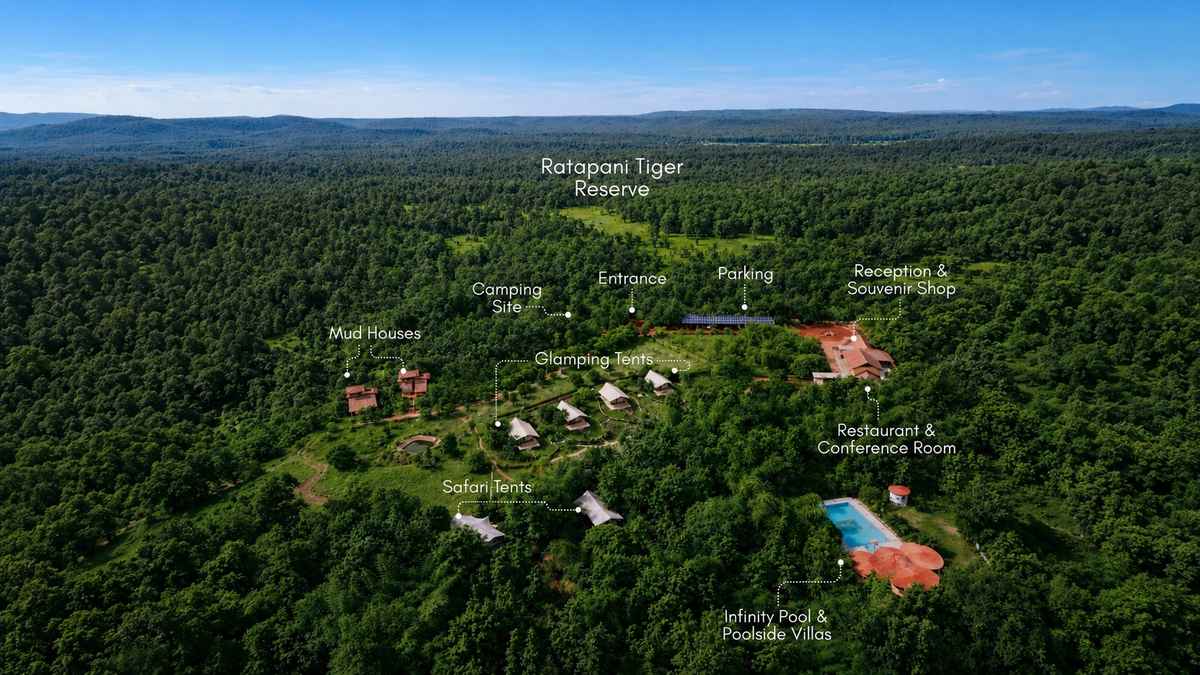
“More than half of the canopy is teak, forming a vital dry deciduous forest sanctuary.”
Why Ratapani
Ratapani is a short drive from Madhya Pradesh’s capital, so a real jungle safari fits into a weekend, with no multi-day transit and no complicated logistics.
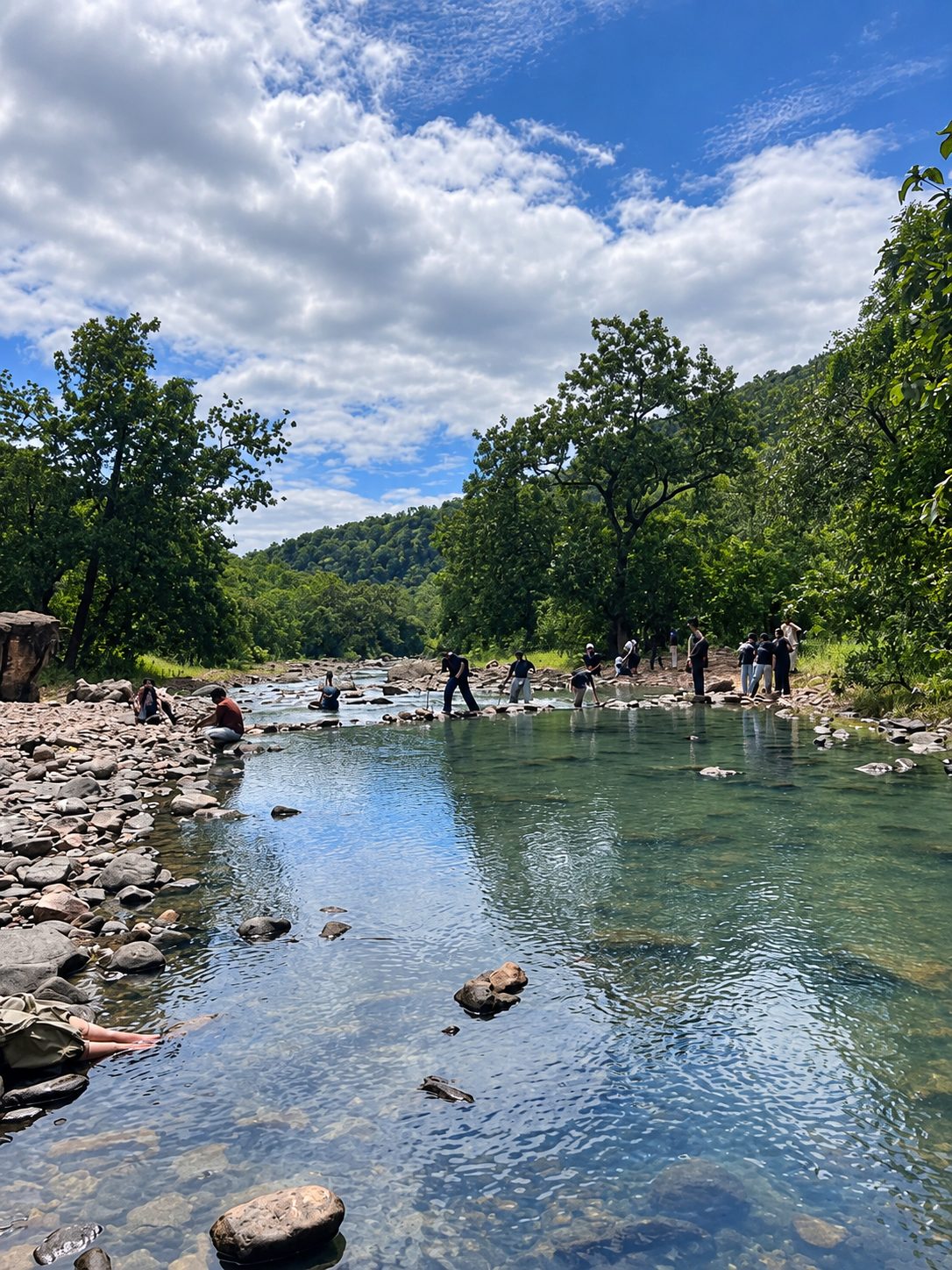
Sandstone ridges, rocky plateaus, hidden gorges and teak-covered slopes make Ratapani look and feel different from flat grassland parks.
.jpg&w=3840&q=90)
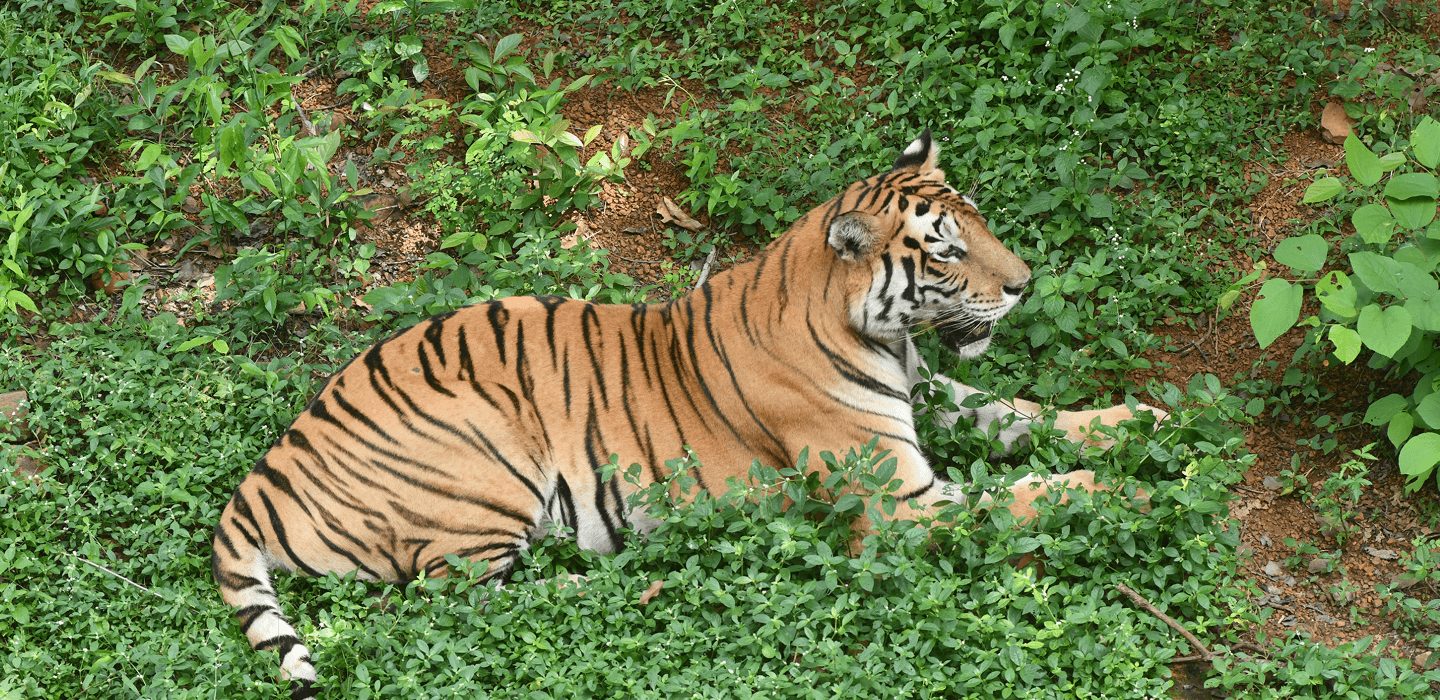
Over 40 resident tigers, plus leopards, sloth bears, striped hyenas, dholes and herds of sambar and chital, share this dry deciduous forest.
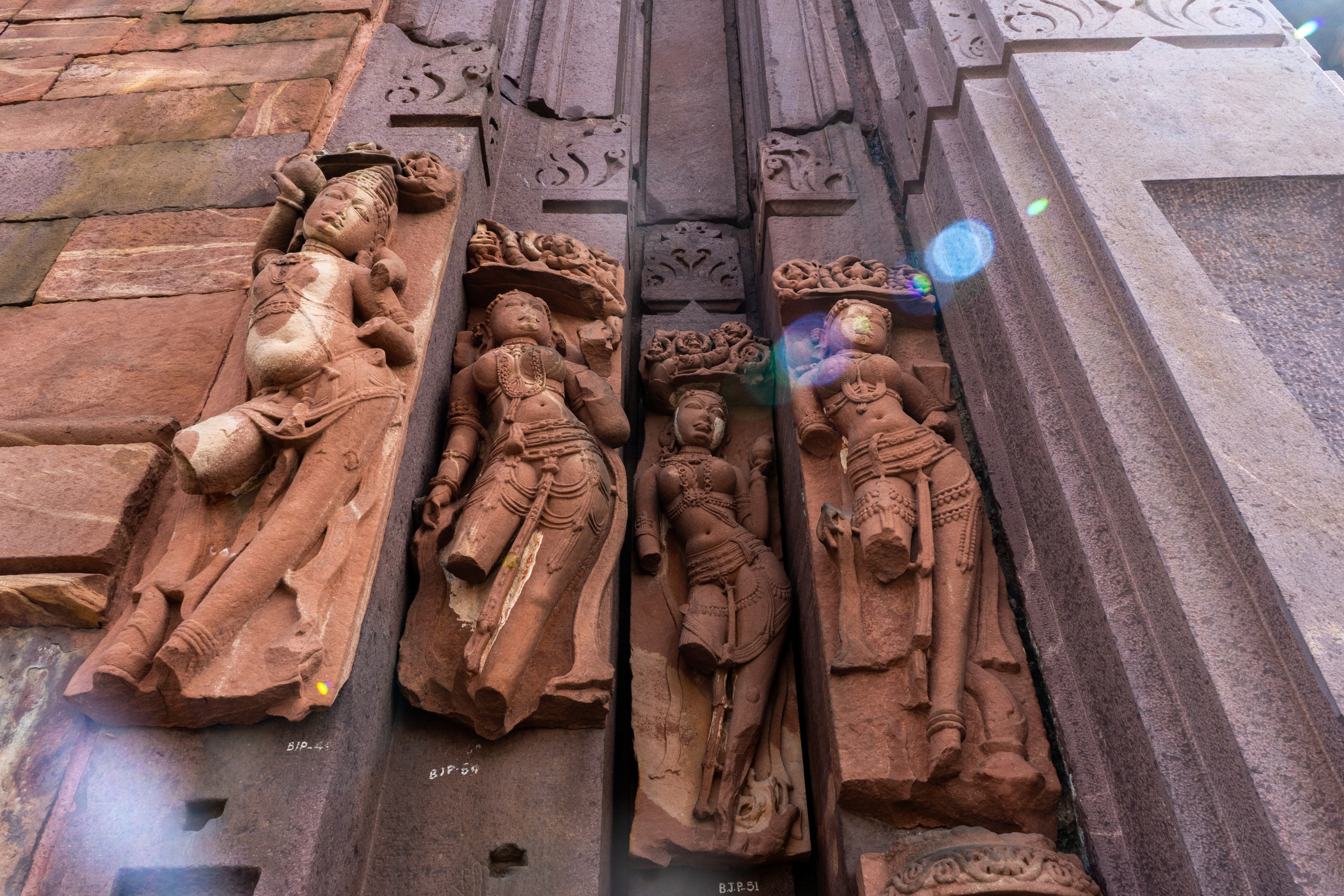
The UNESCO-listed Bhimbetka rock shelters sit on Ratapani’s edge, so a safari can sit alongside prehistoric rock art in one trip.
Essential details
Figures are rounded and based on Madhya Pradesh Forest Department and Project Tiger notifications.
Flora and fauna
From the silent prowl of the Royal Bengal Tiger to nightjars calling over sandstone ledges, meet the inhabitants of this ancient Vindhyan forest.
Flagship predator
Panthera tigris tigris
Ratapani’s tigers have long thrived in near-secrecy. Across the valleys around Jhiri, Delawadi and beyond, more than 40 resident tigers hold territory, and their tracks crisscross quiet riverbeds and rocky teak plateaus.
Panthera pardus fusca
Suited to the rocky outcrops and sandstone ledges of the Vindhyas, and often seen on dusk drives.
Melursus ursinus
Forages among mahua trees, termite mounds and rocky crevices across the undulating hills.
Hyaena hyaena
A nocturnal forager of the dry sandstone ridges and scrub-fringed buffer areas.
Axis axis / Rusa unicolor
The herbivores that sustain the big cats, seen grazing in bamboo clearings at dawn.
Cuon alpinus / Boselaphus tragocamelus
Wild dogs, blue bull, four-horned antelope, jungle cat, jackals and wild boar complete the food web.
Canopy and understory
Tectona grandis
Teak covers the slopes and plateaus, dropping its broad leaves in winter to open up the hills and turning green again with the monsoon.
Dendrocalamus strictus
Male bamboo lines the drainage channels and ravines, giving deer, bears and tigers natural cover.
Saja, tendu, mahua, palash
Saja, tendu, mahua and palash trees fill the gaps, with palash lighting up the forest red in spring.
Safari access
Safaris enter through three forest department gates, each leading into a different sector of the reserve.
Gate 01
Deep teak valleys and waterholes
A popular entry for tiger enthusiasts, leading into teak valleys, natural watering holes and prime predator territory.
Distance from Bhopal: About 34 km
Gate 02
Scenic hills and canopy views
Known for dramatic changes in elevation, bamboo ravines, birdlife and leopard sightings along rocky crags.
Distance from Bhopal: About 52 km
Gate 03
Heritage and cultural forest
Links the prehistoric rock shelters with peaceful woodland drives along the forest’s northern edge.
Distance from Bhopal: About 44 km
Safari vehicles, guides and permits are booked through the Madhya Pradesh Forest Department’s MPOnline portal. We can help you plan it around your stay.
Practical guide
Safaris follow two forest department shifts, timed to the hours when animals are most active.
Roughly 6 AM to 10 AM, varies by season
Mist rising off the teak canopy, alarm calls, fresh pugmarks on soft tracks and predators returning from the night’s hunt.
Roughly 2:30 PM to 6 PM, varies by season
The forest slips into twilight, leopards lounge on warm rocks and tigers move toward the waterholes.
Need help with the booking?Ask our safari desk →
When to travel
Core safari zones generally close for the monsoon and reopen in autumn. Check the current dates before you plan; we confirm them when you book.
October to February
Cool, pleasant weather. Misty mornings are made for forest photography, and migratory birds are at their peak.
Ideal for birdwatching and relaxed safaris
March to June
Hot days, with teak leaves fallen for wide visibility. Wildlife gathers near the shrinking waterholes, which raises the odds of a big-cat sighting.
Ideal for big-cat photography
July to September
Core safari zones usually close so the forest can breed and recover. The retreat, waterfalls and Bhimbetka stay open and turn strikingly green.
Ideal for wellness stays and heritage
Curated adventures
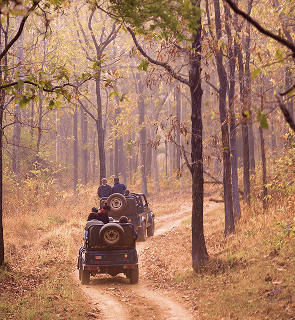
Go deep into the forest in an open safari vehicle with a certified forest naturalist and expert trackers.
See all experiencesLook for the reserve’s resident and migratory birds along riverbeds, dam backwaters and bamboo thickets.
Bird-watching at MadhubanWalk beneath UNESCO-listed rock art painted tens of thousands of years ago on natural sandstone overhangs.
Nearby attractions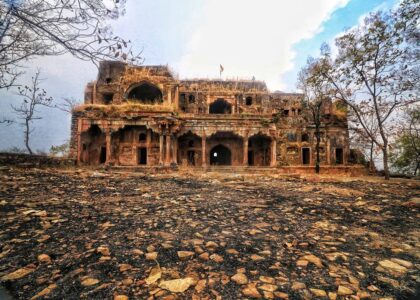
Trek through dense forest to an ancient Gond hill fort set on an isolated ridge.
Nearby attractions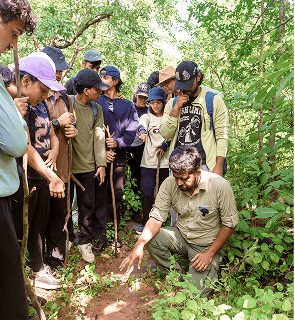
Slow, guided walks along the ridges, where you notice the detail you miss from a vehicle.
Forest walks and trails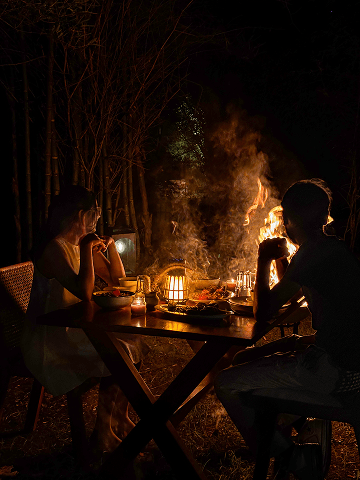
A private dinner in a forest clearing, with firelight, local flavours and a sky free of city glow.
Dining at MadhubanUNESCO World Heritage
On the northern edge of Ratapani lie the Bhimbetka Rock Shelters, a UNESCO World Heritage Site. Over 750 shelters spread across about 10 kilometres hold paintings made over many thousands of years. Early hunter-gatherers drew the same animals you may meet on safari today, using natural ochre pigments.
Early artists painted the animals still found here, such as tigers, wild bulls and deer, in natural ochre pigments.
A vast rock vault, one of the best-known shelters at the site.
Spread across roughly 10 kilometres, with art from the Palaeolithic and Mesolithic eras.
Preparation
The right kit keeps you comfortable and keeps you blended into the dry teak forest.
Choose earth tones that blend with teak and dry leaf litter. Avoid bright white, neon and strong perfume. Breathable cotton and linen suit the climate.
Forest code
Forest department rules protect wildlife habits and core corridors. Please follow them on every drive.
01
Whisper only; sudden noises stress animals.
02
Give animals space and never crowd them.
03
Never step out of the safari vehicle.
04
The naturalist’s instructions come first.
05
Feeding wildlife changes how it behaves.
06
Take all your rubbish out of the forest.
07
Flash photography disturbs wildlife.
Leave nothing behind but tyre tracks; take nothing but memories.
Corridors and future
Ratapani was long known as a tiger-rich sanctuary without formal tiger-reserve status. The 2024 notification safeguards about 1,271 square kilometres of forest and brings dedicated protection and funding.
The forest also works as a green corridor linking Raisen, Sehore and neighbouring districts, helping tigers move between habitats. Low-impact tourism and trained local guides, many from nearby Gond communities, tie local livelihoods to the survival of the tiger.
Directions and transit
Ratapani is one of the easiest tiger reserves in Madhya Pradesh to reach.
Raja Bhoj Airport (BHO), Bhopal
Bhopal is connected by direct flights to several major cities. From the airport, the reserve and Madhuban are about a drive of an hour or so.
Private transfers can be arranged.
Bhopal Junction and Rani Kamlapati
Both stations are major rail hubs on the Delhi–Mumbai and Delhi–Chennai corridors, with fast express services. The safari gates lie to the south of the city.
We can arrange pick-up from either station.
Bhopal–Obaidullaganj–Barkhera
Good highways lead out of Bhopal toward Obaidullaganj and Barkhera. The drive is easy by private car, self-drive or a chartered cab.
About an hour from Bhopal.
Wilderness sanctuary
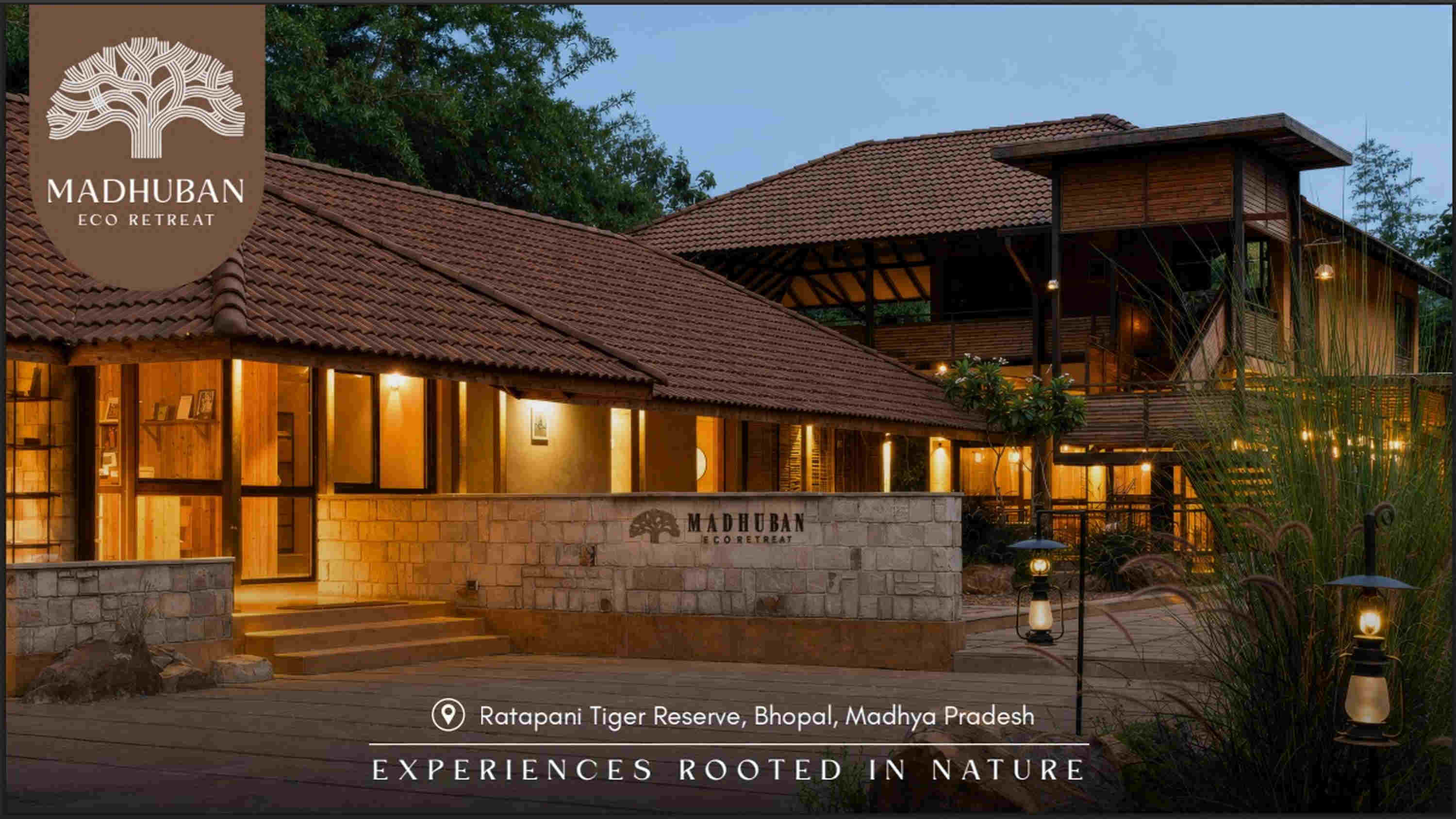
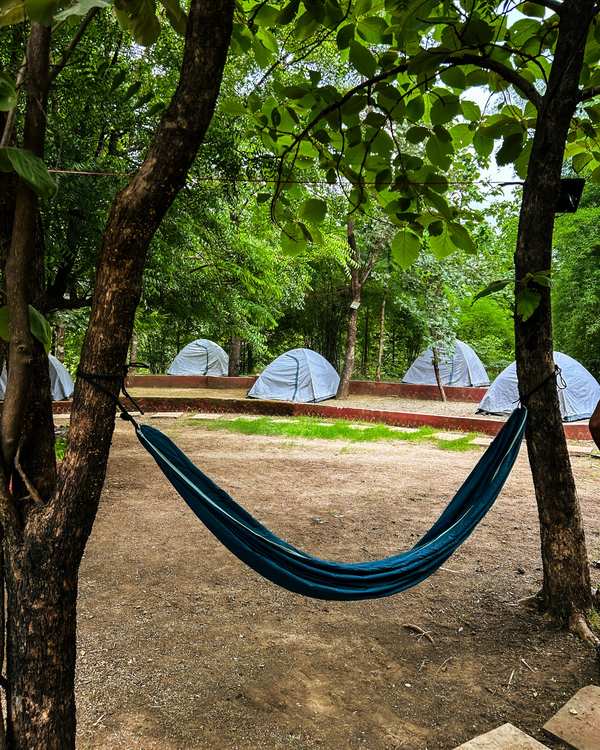
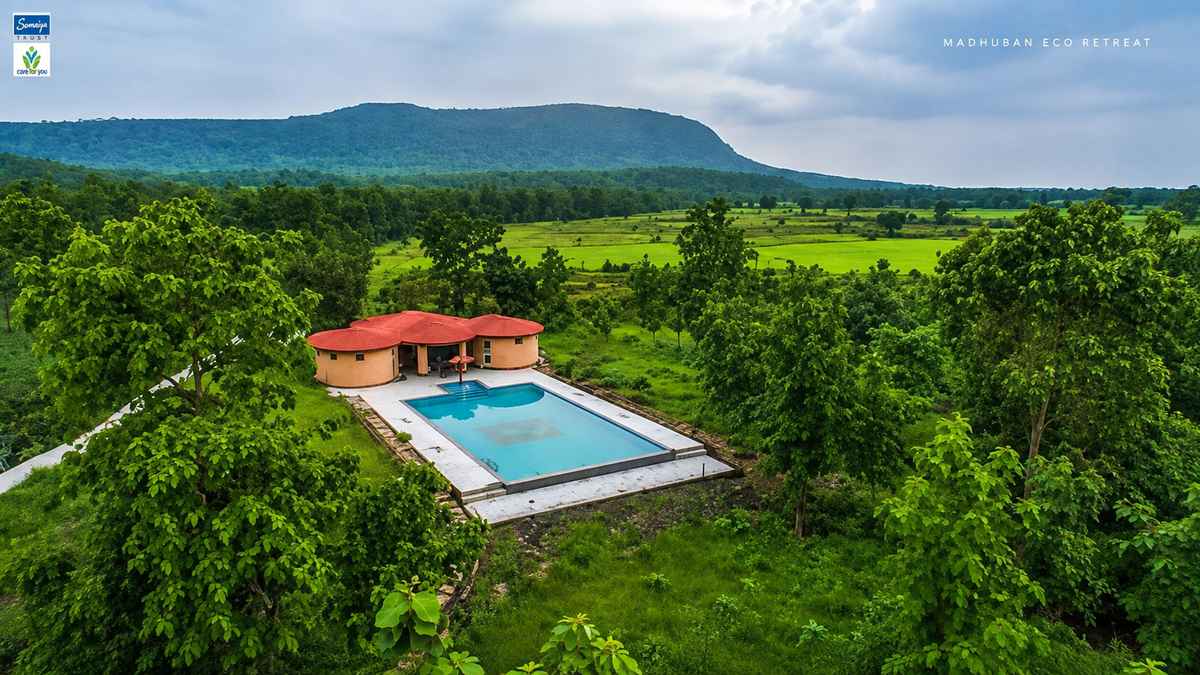
An intimate, earth-conscious retreat on the edge of Ratapani’s teak forest, with direct help arranging safaris.
Low-impact luxury
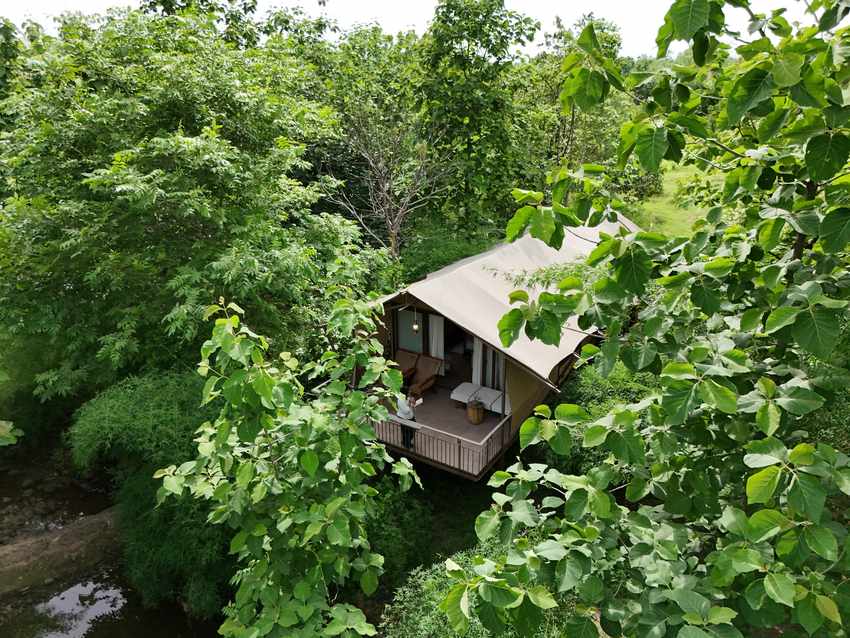
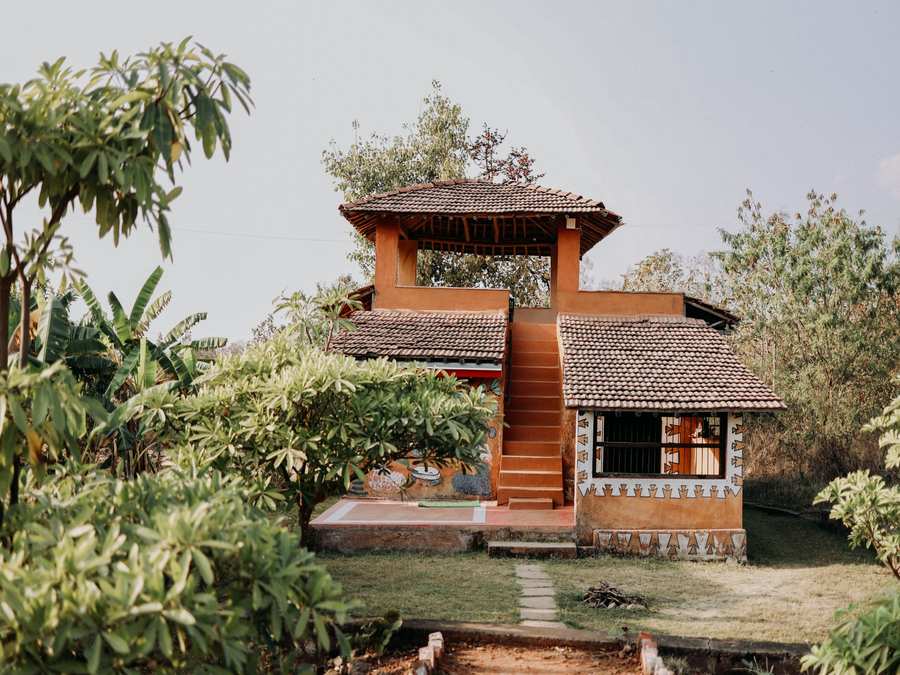
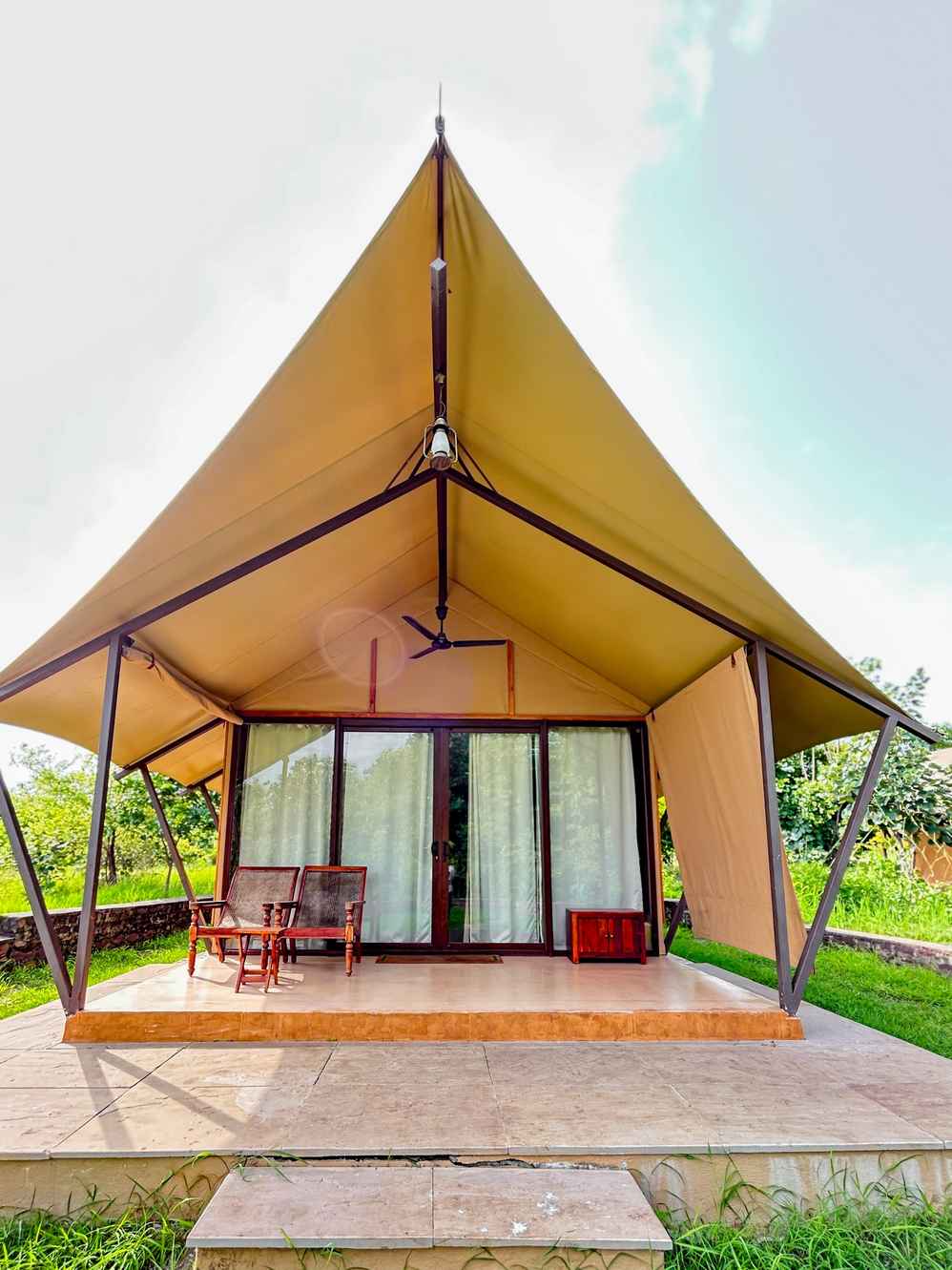
Built with local stone, salvaged wood and hand-plastered mud walls, Madhuban blends rustic architecture with quiet comfort. Wake to birdsong, dine under the stars and set out on safari from the forest’s edge.
Curated journeys
Two ready-made ways to combine safaris, heritage and a forest stay.
Day 01
Day 02
Day 01
Transfer from Bhopal to Madhuban. Take an afternoon safari focused on tiger corridors, then enjoy a starlit bush dinner.
Day 02
A dawn safari in the rocky gorges, a midday visit to the Bhimbetka rock art, and a late-afternoon drive to the Ratapani Dam backwaters.
Day 03
A guided morning walk along the sandstone ridges with a naturalist, then a relaxed brunch before heading back to Bhopal.
Inquiries and answers
Permits, seasons, logistics and tiger sightings in Ratapani.
Ratapani became a wildlife sanctuary in 1976 and was notified as Madhya Pradesh’s 8th tiger reserve in December 2024.
The safari gates are roughly 35 to 55 km from Bhopal depending on the gate, about 34 km to Jhiri, 44 km to Bhimbetka and 52 km to Delawadi. Madhuban Eco Retreat is about an hour from Bhopal.
The reserve is home to more than 40 resident tigers, along with leopards, sloth bears, striped hyenas and dholes.
Safaris run in two shifts, a morning drive and an afternoon drive. Exact timings change with the season and sunrise and sunset, so we confirm them for your dates.
Safari bookings are made through the Madhya Pradesh Forest Department’s MPOnline portal. We can guide you or help arrange it as part of your stay. Message us with your dates.
The core safari zones usually close during the monsoon, roughly July to mid-October, and reopen afterwards. Check the current dates before you plan, and we’ll confirm them when you book.
Jhiri is popular for tiger sightings, while Delawadi is loved for scenery, leopards and sloth bears. No sighting can be guaranteed, since these are wild animals.
Yes. Bhimbetka sits at the edge of the reserve and pairs easily with a safari. We can include it in your itinerary.
No. Safaris use authorised open safari vehicles with registered drivers and a forest department naturalist.
Earthy, muted colours such as khaki, olive and brown. Avoid bright white, neon shades and strong perfume, and bring light layers for cool mornings.
Yes. The short distance from Bhopal makes it far less tiring than remote reserves, and we can plan gentle itineraries and ground-level stays.
Yes. The buffer areas, stream banks and the grounds of Madhuban offer good birding, with guided bird-watching available.
Madhya Pradesh’s wildest horizon
The forest is waiting.
Madhuban Eco Retreat · Edge of Ratapani Tiger Reserve · Madhya Pradesh