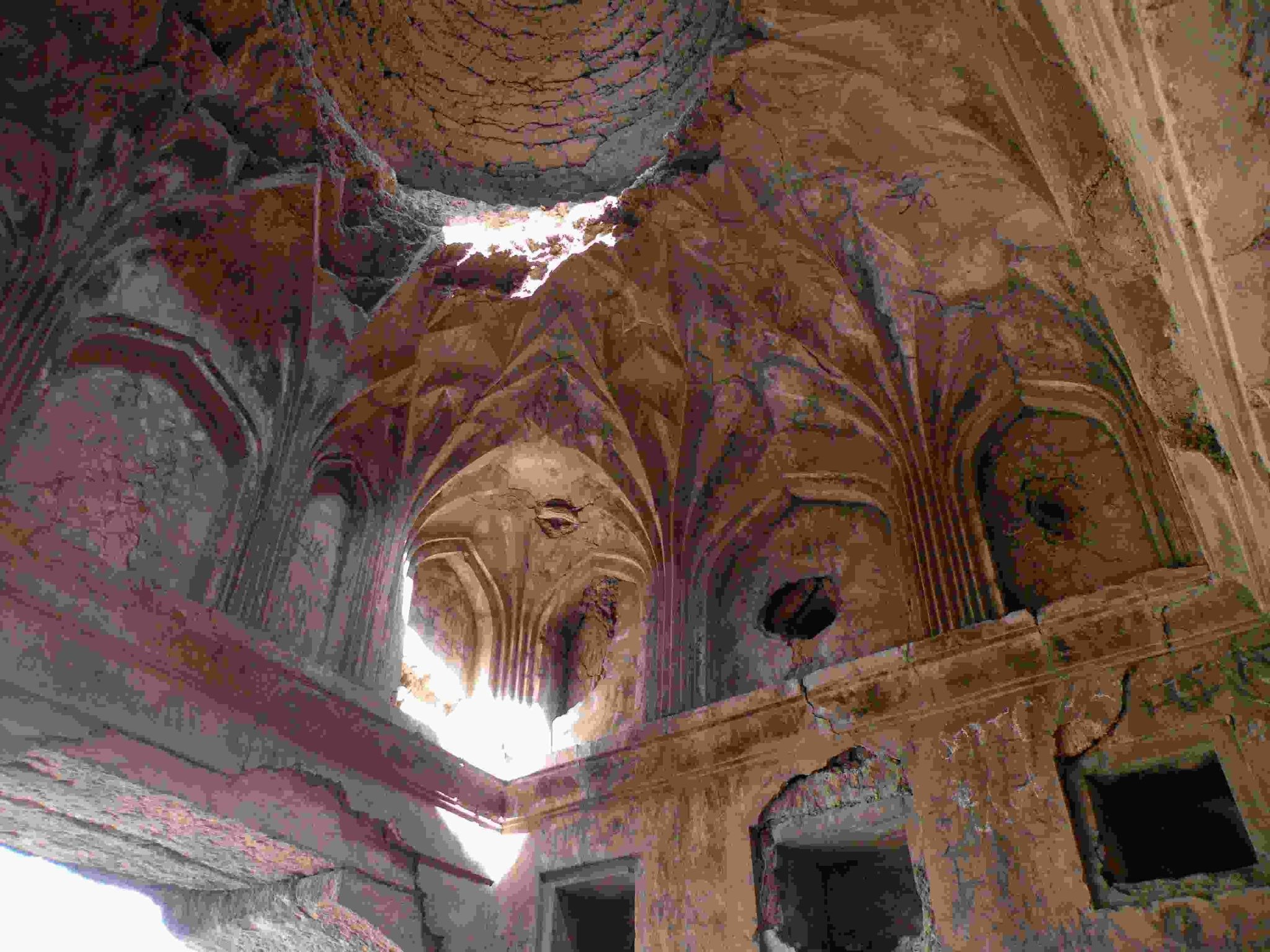
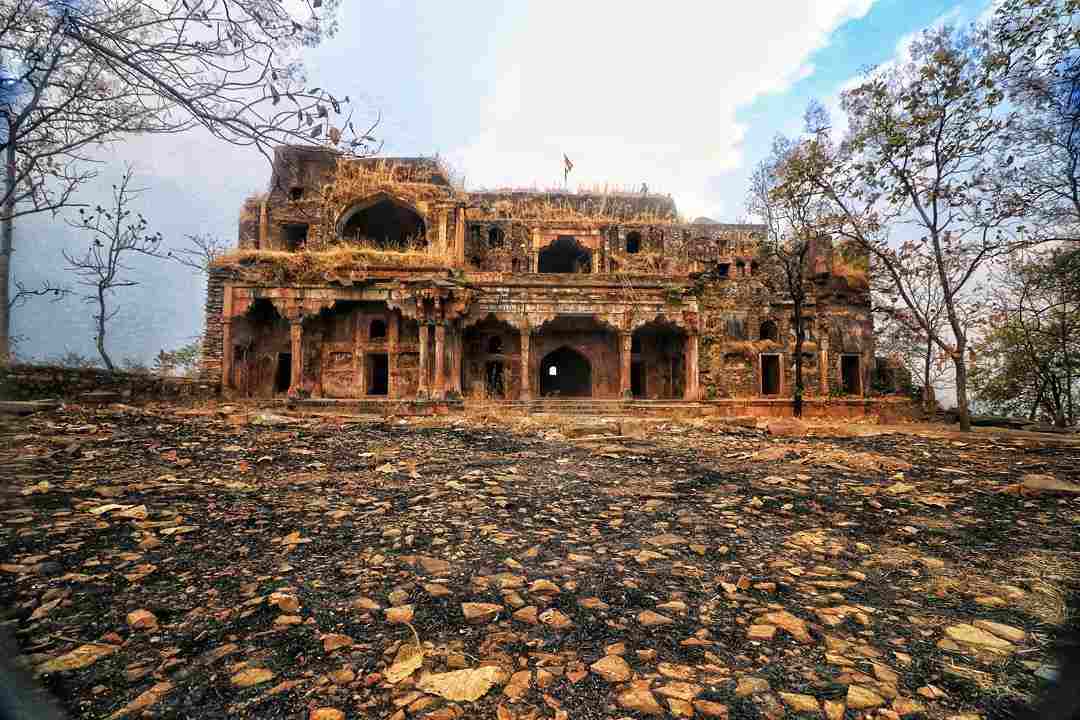
A 600-year-old fortress that witnessed queens, betrayals, and World War II prisoners — now waiting to be rediscovered just 60 km from Bhopal. ━━━━━━━━━━━━━━━━━━━━━━━━━━━━━━━━━━━━━━━━━━━━━━━━━━━━━━━━━━━ Most visitors to Bhopal know about the Upper Lake, Van Vihar, and perhaps Bhimbetka. But ask about Ginnourgarh Fort, and you'll likely get blank stares — even from locals. This is precisely what makes Ginnourgarh one of Madhya Pradesh's most intriguing hidden gems. Perched on a rocky hilltop at 700 metres elevation, deep within the Ratapani Tiger Reserve, this 15th-century Gond citadel tells stories that most history books have forgotten — of warrior queens, treacherous betrayals, and even Italian prisoners of war from World War II. If you're looking for a fort near Bhopal that offers more than crowded tourist spots, Ginnourgarh Fort delivers history, adventure, and wilderness in one unforgettable package. Understanding Ginnourgarh Fort history requires stepping back to a time when the Gond tribal kingdoms ruled vast swathes of Central India. For nearly 300 years — from the 15th to the 18th century — the Gonds established powerful kingdoms across present-day Madhya Pradesh and Chhattisgarh, producing two of India's most celebrated warrior queens: Rani Durgavati and Rani Kamlapati. The Gond Era (15th–18th Century) The fort was built by Gond rulers in the 15th century, though archaeological evidence suggests the site was occupied even earlier during the Paramara period (11th century). Architectural fragments from this era have been incorporated into the current structures, making Ginnourgarh a palimpsest of Central Indian history. The fort reached its zenith under Nizam Shah, a powerful Gond warlord who ruled a state formed by merging 750 villages around Ginnourgarh. Nizam Shah constructed the main palace — described by historians as "one of the gems of Indian palace architecture" — comparable in style to the famous Kharbuja Mahal at Dhar Fort. Rani Kamlapati: The Queen Who Shaped Bhopal's Destiny The most dramatic chapter of Ginnourgarh Fort's history centres on Rani Kamlapati — the last Hindu queen of Bhopal and one of Nizam Shah's seven wives. After Nizam Shah was poisoned by his own nephew, the chief of Chainpur Bari, Rani Kamlapati fled to Ginnourgarh with her son Nawal Shah. Seeking protection, the queen famously tied a rakhi (sacred thread) on the wrist of Dost Mohammad Khan, an Afghan warlord, who then defeated her husband's killers. In return, unable to pay his fees in full, she gave him the village of Bhopal. This single act would transform a small settlement into the capital of a princely state — and eventually, the capital of Madhya Pradesh. After Rani Kamlapati's death in 1723, Dost Mohammad Khan took control of Ginnourgarh Fort, marking its transition from Gond to Mughal-influenced rule. A Persian inscription on one of the gatehouses, dated 1725–26, testifies to this change of power. A World War II Secret: The POW Camp Few visitors know that during World War II, the Delawadi area near Ginnourgarh Fort housed a Prisoner of War camp. Constructed in 1939, this camp held German and Italian prisoners, with the isolated location providing natural security. The remains of this camp, though largely forgotten, add another layer to the fort's complex history. Despite centuries of neglect, Ginnourgarh Fort retains enough of its original architecture to inspire wonder. The fort complex includes: The Main Palace: Though in ruins, the palace structure shows sophisticated Gond architecture with intricately carved stone pillars and cusped arches. Historians compare it favourably to the finest medieval palaces of Malwa. Fortified Gatehouses: Multiple entry points with defensive architecture, including the gatehouse bearing the Persian inscription from 1725–26. Water Structures: Two natural water bodies and several stepwells (baoris) showcase advanced water harvesting techniques. These structures, some dating to the Paramara era, remain partially functional even today. Cisterns and Reservoirs: Elaborate water storage systems that would have sustained the fort during sieges. Religious Carvings: Including a fascinating rock engraving of the Shiva family (Lord Shiva, Parvati, Ganesh, and possibly Kartik) on a sandstone rock near the fort. Getting to Ginnourgarh Fort requires a combination of road travel and trekking, which is part of its appeal — this isn't a drive-up monument. Pro Tip: Hire a local guide at the Delawadi forest gate. Beyond navigation through the dense forest, guides share fascinating local legends and can point out wildlife tracks and bird species along the way. October and November are particularly recommended, as the post-monsoon landscape is green, temperatures are mild, and wildlife is more active. Important Notes: • Entry tickets must be purchased at the Delawadi forest department office • The fort is inside a reserve forest — wild animals including leopards, sloth bears, and deer inhabit the area • Mobile connectivity is limited to non-existent • No food or water vendors at the fort — carry your own supplies • Wear sturdy trekking shoes — the trail includes rocky and uneven sections While there are no formal guided tours operated by the tourism department, local guides are available at the Delawadi forest gate. These guides — often local villagers with deep knowledge of the area — provide: • Navigation through the forest trails (essential, as paths are unmarked) • Historical context and local legends about Rani Kamlapati and the Gond rulers • Wildlife and bird spotting assistance • Safety support in the reserve forest Adventure tour operators in Bhopal also organize Ginnourgarh Fort trek packages, typically priced between ₹750–₹1,500 per person, which include transport, guide services, and sometimes meals. Ginnourgarh Fort sits within the Ratapani Wildlife Sanctuary — Madhya Pradesh's 8th tiger reserve, covering 825 square kilometres of pristine forest. Planning a trip here? Consider combining the fort with these nearby attractions: The trek to Ginnourgarh Fort passes through prime wildlife habitat. The Ratapani Tiger Reserve — upgraded from sanctuary status in recent years — hosts an impressive diversity of species: Large Mammals: Bengal tigers, leopards, sloth bears, striped hyenas, Indian wild dogs (dholes), nilgai, chital, sambar deer, chinkara, and wild boar. Birds: Over 150 species including paradise flycatchers, golden orioles, kingfishers, Indian grey hornbills, and various raptors. Reptiles: Indian python, monitor lizards, and various snake species. The forest type is tropical dry deciduous, dominated by teak (covering about 55% of the area) along with bijasal, saj, tendu, and khair trees. For visitors planning to explore Ginnourgarh Fort and the surrounding Ratapani wilderness, Madhuban Eco Retreat offers an ideal base. Located at the edge of the sanctuary, this eco-luxury property combines forest-side accommodation with genuine nature immersion. Why Madhuban Makes Sense for Fort Explorers: • Proximity: Located close to the Ratapani sanctuary, reducing travel time to the fort • Early Start: Stay overnight and reach Delawadi by early morning — the best time for wildlife sightings and comfortable trekking • Expert Guidance: The retreat's resident naturalist, Shibajee Mitra, can provide insights on local wildlife, trails, and history • Multi-Day Itineraries: Combine Ginnourgarh with Bhimbetka, nature walks, and birdwatching over a weekend • Comfort After Adventure: Return to comfortable accommodation, wholesome vegetarian food, and a swimming pool after a day of trekking For day visitors from Bhopal, Madhuban also offers day outing packages that can be combined with a morning trek to Ginnourgarh Fort. Day 1: • Morning: Drive from Bhopal, stop at Bhimbetka Rock Shelters (UNESCO site) • Afternoon: Check in at Madhuban Eco Retreat, relax, nature walk on property • Evening: Birdwatching, pool time, overnight stay Day 2: • Early Morning: Depart for Delawadi (6:30 AM start recommended) • Morning: Trek to Ginnourgarh Fort, explore ruins, photography • Afternoon: Return trek, lunch, drive back to Bhopal In a country filled with famous forts, Ginnourgarh stands apart — not because of its grandeur (much of which has crumbled), but because of the stories embedded in its stones. This is where a widowed queen sought refuge. Where medieval water engineering still captures rainfall after 600 years. Where Italian prisoners waited out a world war in the forests of Central India. For history enthusiasts, trekkers, photographers, and anyone seeking something beyond the tourist trail, Ginnourgarh Fort offers a rare combination: genuine adventure, untold history, and wild natural beauty — all just 60 kilometres from Bhopal. The fort is slowly gaining recognition, with recent moves to hand over its conservation to the State Archaeology Department. Visit now, while it remains one of Madhya Pradesh's best-kept secrets. ━━━━━━━━━━━━━━━━━━━━━━━━━━━━━━━━━━━━━━━━━━━━━━━━━━━━━━━━━━━ Plan Your Ginnourgarh Fort Adventure Stay at Madhuban Eco Retreat | Explore Ratapani Wildlife Sanctuary Contact: 9770558419 | madhubanresort@somaiya.com www.madhubanecoretreat.com ━━━━━━━━━━━━━━━━━━━━━━━━━━━━━━━━━━━━━━━━━━━━━━━━━━━━━━━━━━━ Related Reading: • Ratapani Tiger Reserve: A Slow Tourism Destination Near Bhopal • Bhimbetika: India's Ancient Rock Art Wonder — The Complete Guide • Trekking Near Bhopal: 15 Best Treks for Nature & Adventure • Day Outing Near Bhopal: Perfect Nature Escape ━━━━━━━━━━━━━━━━━━━━━━━━━━━━━━━━━━━━━━━━━━━━━━━━━━━━━━━━━━━Ginnourgarh Fort at a Glance
The History of Ginnourgarh Fort: From Gond Kings to Mughal Governors
Architecture and Structures: What to See at Ginnourgarh Fort
How to Reach Ginnourgarh Fort from Bhopal
Best Time to Visit Ginnourgarh Fort
Ginnourgarh Fort Entry Ticket Price and Practical Information
Are There Guided Tours for Ginnourgarh Fort?
Places to Visit in Ratapani: Beyond Ginnourgarh Fort
Wildlife at Ratapani: What You Might Spot
Where to Stay: Madhuban Eco Retreat
Suggested Weekend Itinerary: Ginnourgarh and Ratapani
Why Ginnourgarh Fort Deserves Your Attention