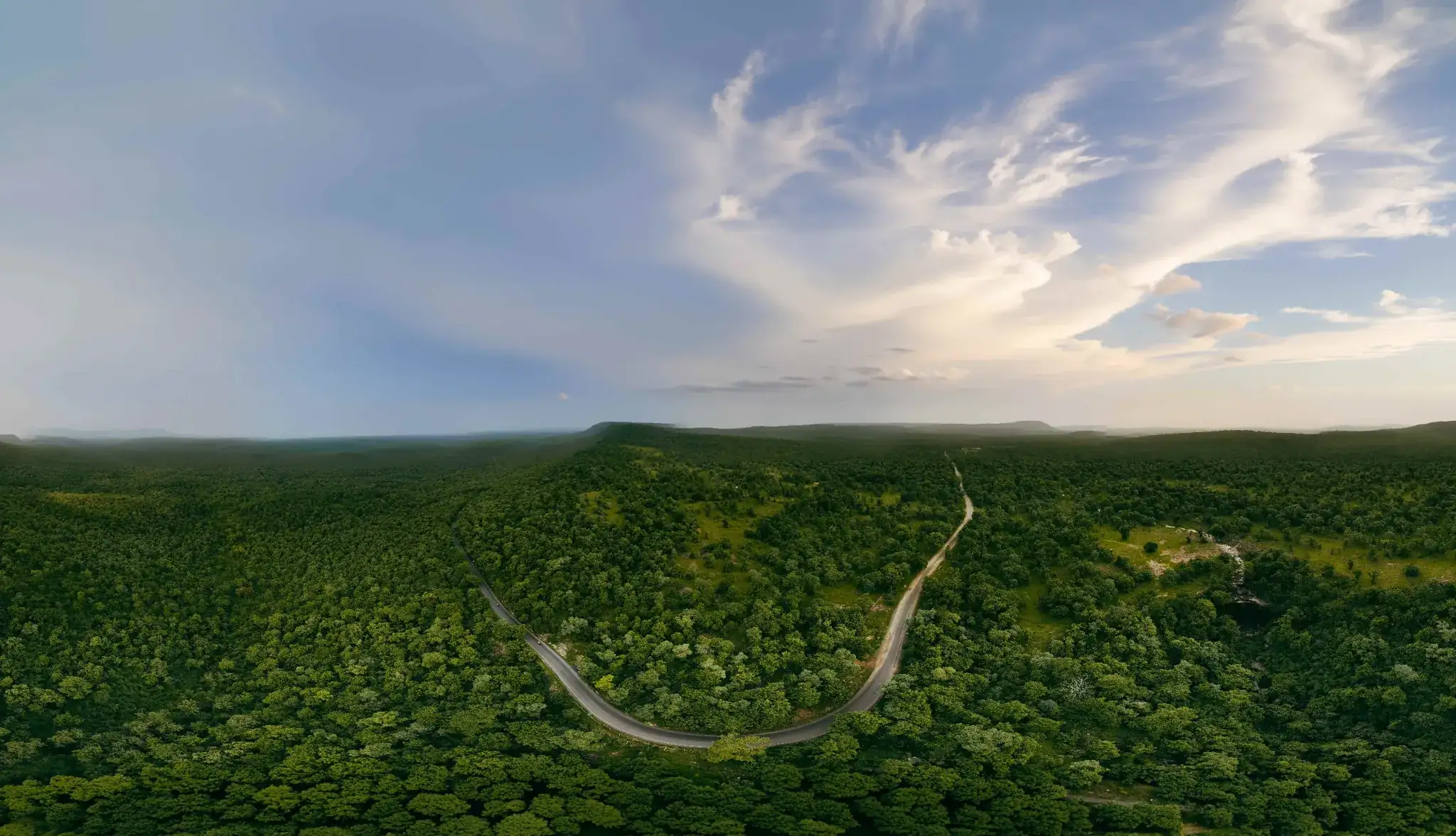
Travellers beginning a road journey from Bhopal towards Satpura, Pachmarhi, Kanha, Bandhavgarh or Pench often pass through the pristine landscapes of the Ratapani Tiger Reserve. Yet, very few stop to explore the extraordinary mix of wildlife, ancient heritage and tribal culture that this forest offers, making it one of the most genuinely unexplored places near Bhopal.
Kanha, Pench and Bandhavgarh are undoubtedly must visit destinations, but their popularity has also brought crowds and an overwhelming focus on tiger sightings. At busy viewpoints, safari vehicles frequently gather around a single tiger while tourists compete to capture the perfect photograph. Somewhere in this rush, the deeper experience of being inside a forest can get lost.
Forests are best experienced slowly, when you can hear birds calling, leaves moving in the wind and perhaps the distant alarm call of a deer. Ratapani offers precisely this kind of personal connection with nature.
A Landscape Beyond the Tiger — Wildlife & Safari in Ratapani
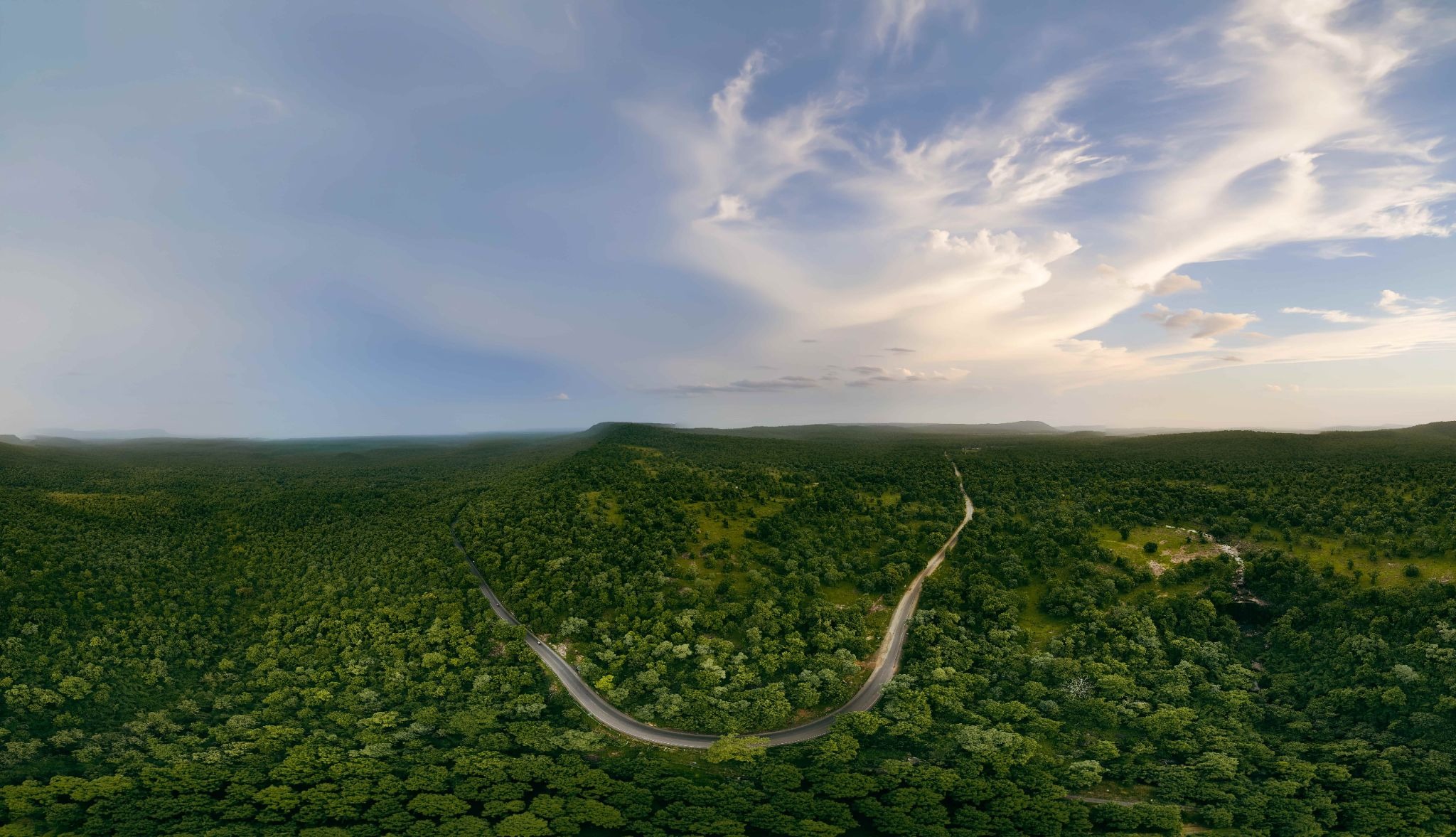
Located close to Bhopal, Ratapani is home to a thriving population of tigers, along with leopards, sloth bears, hyenas, deer and an impressive diversity of birds. Its landscape includes teak forests, reservoirs, seasonal streams and dramatic rock formations. Safari availability and permits can be checked through the official Madhya Pradesh Forest Department safari-booking portal.
However, the tiger is only one chapter in Ratapani's remarkable story.
Plan your visit: Ratapani lies roughly 45 km from Bhopal , an easy day trip or weekend escape. Book safaris through the MP Forest Department portal. See the season guide further below before you plan.
Ginnorgarh Fort — Rani Kamlapati's Gond Stronghold
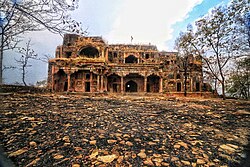
Deep inside the forest stands Ginnorgarh Fort, closely connected with Gond ruler Rani Kamlapati and the emergence of Nawabi rule in Bhopal. The fort and its surrounding landscape represent an important chapter in the political and cultural history of the region. Access to the fort is presently restricted, but its story remains an integral part of Ratapani's heritage. (Ginnorgarh sits approximately 60 km from Bhopal.)
Delawadi's World War II Prisoner-of-War Camp
The colonial period has also left its imprint here. Near Delawadi (about 65 km from Bhopal) are the remains of a Second World War-era camp constructed by the British to house German and Italian prisoners of war. Coming across these forgotten structures during a forest safari makes Ratapani feel like an open-air history book.
Saru Maru: A Serendipitous Discovery — Ashoka's Buddhist Heritage Near Bhopal
Turn the pages further, and you reach the period when Ashoka was still a prince. Saru Maru, near Pangoraria village, contains an ancient Buddhist monastic complex, caves, stupas and inscriptions associated with Ashoka's visit to the region.
I discovered Saru Maru almost by accident while travelling through the Ratapani landscape towards the Salkanpur Devi Temple. A small detour , and a little good fortune. led me to the ruins. It was a genuinely serendipitous moment. Although I had lived in Bhopal for years and knew that such a site existed, I had rarely seen its photographs or found references to it in the travel plans of friends and family.
How to reach Saru Maru: Located near Pangoraria village in Sehore district, en route to the Salkanpur Devi Temple — roughly a ~2.5–3 hour drive from Bhopal. Best combined with a Salkanpur visit.
Bhimbetka Rock Shelters — Learning to Travel Slowly
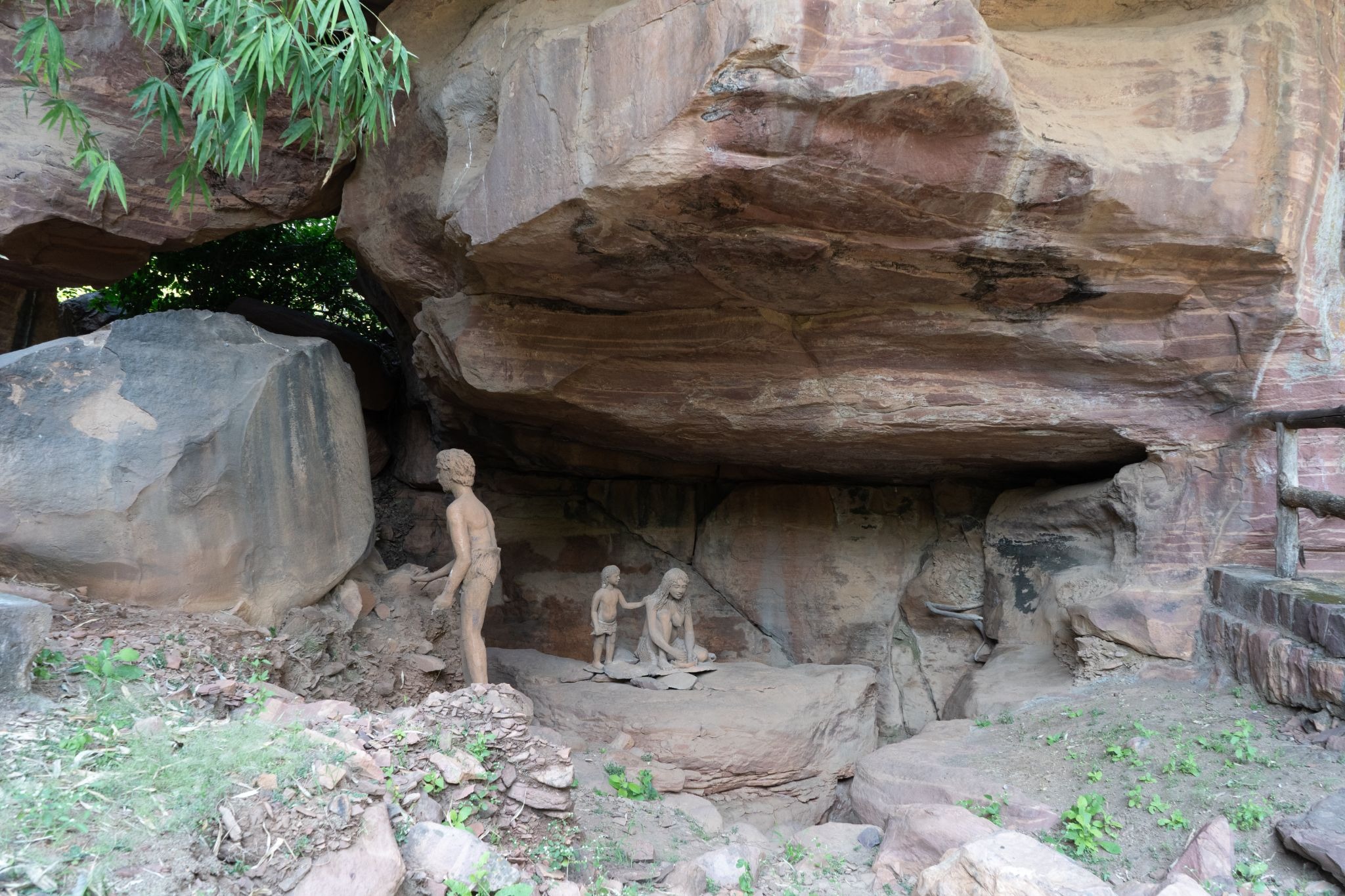
Ratapani's human history goes back even further at the Bhimbetka Rock Shelters, a UNESCO World Heritage Site preserving evidence of prehistoric human life and rock art created over thousands of years. Here, early humans recorded animals, hunting scenes, rituals and social life on stone walls, long before written scripts developed.
What has always fascinated me about Bhimbetka is its popularity among foreign travellers. During my visits, I have often noticed international tourists spending considerable time in front of individual paintings, quietly listening to guides, making notes in diaries and closely observing details that many of us tend to pass by quickly.
Their approach to tourism often appears slower and more immersive. Instead of treating the site merely as a photographic stop, they try to understand its archaeology, artistic techniques and connection with early human civilisation.
In contrast, Bhimbetka remains surprisingly underexplored by many Indian travellers, despite being located so close to Bhopal and lying on a popular road circuit. It is a place that deserves patience. The experience is not only about seeing ancient paintings but also about standing inside the same natural shelters where prehistoric communities once lived, communicated and expressed their imagination. The silence of the caves, the surrounding forest and the stories preserved on the rocks make Bhimbetka one of the most powerful cultural experiences within the Ratapani landscape.
Bhimbetka essentials: Around 65 km from Bhopal, on the Bhopal–Hoshangabad road. UNESCO World Heritage Site with a small entry fee (approx ₹40 for Indian visitors). Allow 2–3 hours.
Where to Stay Near Ratapani — Madhuban Eco Retreat
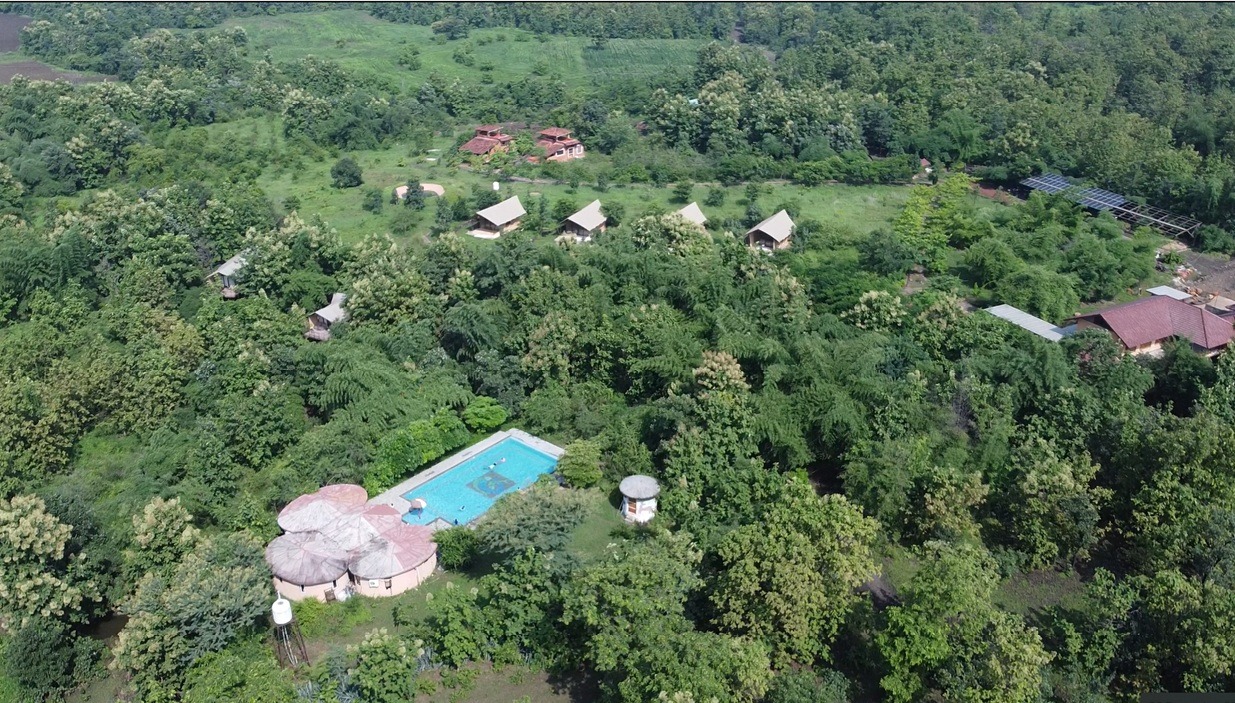
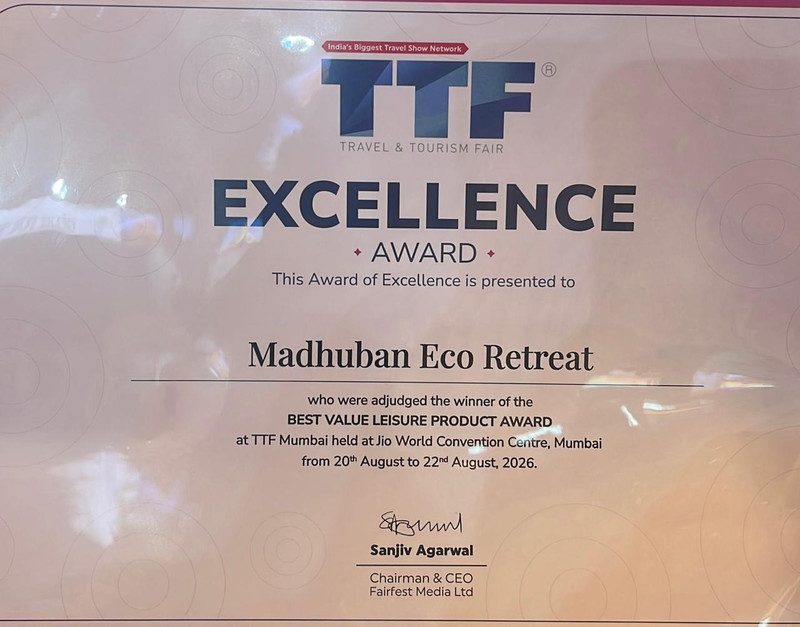
To experience Ratapani properly, where you stay also matters. While a few hotels and lodges now operate in the region, I prefer experiential properties such as Madhuban Eco Retreat Resort in Ratapani.
The story of Madhuban is not merely about rooms, a cafe and tourism facilities. Its more meaningful challenge was to transform a barren and degraded landscape into a thriving natural habitat. The nearly 20-acre property had suffered from anthropogenic pressure and illegal felling. Its owners invested considerable time, effort and emotion in regenerating the vegetation and bringing life back to the land.
Only after this restoration journey began did they start developing relatively low-footprint tourism infrastructure, including mud houses, safari tents and poolside villas and a bohemian-themed cafe. Madhuban has since helped establish a new form of nature-based tourism in the area while generating livelihood opportunities for members of nearby tribal communities.
Ratapani is therefore not simply another destination for a tiger safari. It is a landscape where prehistoric art, Buddhist heritage, Gond history, colonial remains, tribal culture and living forests come together.
How to Reach Ratapani & Distances from Bhopal
Most of Ratapani's highlights sit within a comfortable drive of the city, which makes it easy to plan a day trip or a slow weekend. (Confirm exact figures in Google Maps before you travel.)
Best Time to Visit Ratapani Tiger Reserve
The safari season generally runs from October to mid-June, with the core closed through the monsoon (roughly July to September) due to heavy rain and forest road conditions. October to March offers the most comfortable weather for wildlife and heritage visits, while the monsoon transforms the surrounding landscape into lush green, ideal for the heritage sites and waterfalls even when core safaris pause.
Useful Links
Safari booking — Madhya Pradesh Forest Department [insert official portal URL]
Bhimbetka Rock Shelters — UNESCO World Heritage Centre
Saru Maru Caves — Sehore District tourism page
For travellers willing to slow down, take a detour and listen to the landscape, Ratapani offers something increasingly rare — a deeply personal experience of nature, culture and history, away from the crowds.